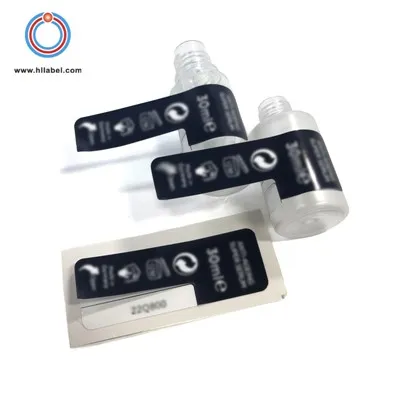
In the world of product packaging and labeling, the choice of labels can significantly impact the user experience, brand image, and overall functionality of a product. One type of label that has gained popularity in recent years is the easy – tear label. As a supplier of easy – tear labels, I often receive inquiries about whether these labels can be used on metal surfaces. In this blog post, I will explore this question in depth, considering various factors such as adhesion, durability, and application scenarios. Easy-tear Label
Adhesion of Easy – tear Labels on Metal Surfaces
The first and most crucial aspect to consider when using easy – tear labels on metal surfaces is adhesion. Metal surfaces can vary widely in terms of their texture, finish, and chemical composition. For example, stainless steel has a smooth and relatively non – porous surface, while aluminum may have a more textured finish. The adhesion of an easy – tear label depends on the type of adhesive used and the surface properties of the metal.
Most easy – tear labels are designed with pressure – sensitive adhesives. These adhesives work by applying pressure to the label, which activates the bonding between the label and the surface. When it comes to metal, the adhesive needs to be able to form a strong bond while still allowing for easy removal when required.
For smooth metal surfaces like stainless steel, high – tack adhesives are often used. These adhesives can provide a strong initial bond, ensuring that the label stays in place during normal handling and use. However, it’s important to note that if the label needs to be removed, the adhesive should not leave behind any residue. This is where the easy – tear feature becomes important. A well – designed easy – tear label can be removed cleanly from the metal surface without damaging the metal or leaving a sticky mess.
On textured metal surfaces, the adhesion can be more challenging. The adhesive needs to be able to conform to the irregularities of the surface. Some easy – tear labels use special adhesives that are designed to penetrate into the small crevices and pores of the metal, providing a more secure bond. However, even with these adhesives, the label’s ability to adhere to the surface may be affected by factors such as dust, oil, or moisture on the metal.
Durability of Easy – tear Labels on Metal Surfaces
Another important factor to consider is the durability of easy – tear labels on metal surfaces. Metal products are often exposed to various environmental conditions, such as moisture, temperature changes, and mechanical stress. The label needs to be able to withstand these conditions without losing its adhesion or deteriorating.
Moisture can be a significant issue for labels on metal surfaces. If the label is exposed to water or high humidity, the adhesive may weaken, causing the label to peel off. To address this, some easy – tear labels are designed with water – resistant adhesives. These adhesives can maintain their bond even when exposed to moisture for extended periods.
Temperature changes can also affect the durability of the label. Extreme heat or cold can cause the metal to expand or contract, which may put stress on the label. A good easy – tear label should be able to withstand these temperature variations without cracking, peeling, or losing its adhesion.
Mechanical stress is another consideration. Metal products may be subject to handling, rubbing, or impact. The label needs to be able to resist these forces without being damaged. Some easy – tear labels are reinforced with a protective layer or have a flexible design that allows them to bend and flex without tearing.
Application Scenarios for Easy – tear Labels on Metal Surfaces
There are many application scenarios where easy – tear labels can be used on metal surfaces. One common use is in the automotive industry. Metal parts in cars, such as engine components, may require labels for identification, safety information, or branding. Easy – tear labels can be easily applied to these parts during the manufacturing process and removed when necessary, such as during maintenance or repair.
In the electronics industry, metal casings of devices like laptops, smartphones, and tablets often have labels for product information, serial numbers, and warnings. Easy – tear labels can be used to provide this information in a way that is easy to read and can be removed without damaging the device.
The food and beverage industry also uses metal containers, such as cans and bottles. Easy – tear labels can be used on these containers to provide product information, branding, and nutritional facts. The easy – tear feature allows consumers to remove the label if they prefer, without leaving any residue on the container.
Advantages of Using Easy – tear Labels on Metal Surfaces
There are several advantages to using easy – tear labels on metal surfaces. Firstly, they provide a convenient way to label metal products. The easy – tear feature allows for quick and clean removal, which is useful in situations where the label needs to be changed or removed, such as during product rebranding or when the product is being recycled.
Secondly, easy – tear labels can enhance the user experience. Consumers appreciate the ability to remove labels easily, especially if they want to reuse the metal product or if the label is interfering with the use of the product.
Finally, easy – tear labels can help to maintain the appearance of the metal surface. Since they can be removed cleanly, they do not leave behind any unsightly residue or damage the metal finish.
Challenges and Limitations
While there are many benefits to using easy – tear labels on metal surfaces, there are also some challenges and limitations. One challenge is finding the right adhesive for the specific metal surface. As mentioned earlier, different metals have different surface properties, and the adhesive needs to be able to bond effectively to the surface.
Another limitation is the cost. Easy – tear labels with high – performance adhesives and durable materials may be more expensive than traditional labels. This can be a concern for some manufacturers, especially those on a tight budget.
Conclusion
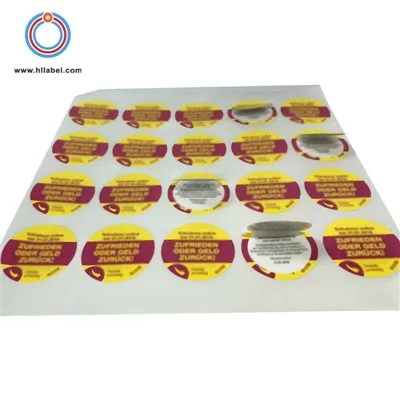
In conclusion, easy – tear labels can be used on metal surfaces, but it is important to consider factors such as adhesion, durability, and application scenarios. With the right adhesive and design, easy – tear labels can provide a convenient and effective way to label metal products. Whether you are in the automotive, electronics, or food and beverage industry, easy – tear labels can offer many benefits.
Multi-layer Labels If you are interested in exploring the use of easy – tear labels for your metal products, I encourage you to reach out for a procurement discussion. We can work together to find the best solution for your specific needs.
References
- "Handbook of Pressure – Sensitive Adhesive Technology" by Donatas Satas
- "Adhesion Science and Engineering: Surfaces, Chemistry, and Applications" edited by K. L. Mittal
Huizhou Huilong Printing Company Limited
As one of the most professional easy-tear label manufacturers in China, we have world-leading production equipment and strong manufacturing capabilities. Please feel free to buy bulk easy-tear label in stock here from our factory. Also, pricelist is available.
Address: Xin’er Group, Xiamazhuang, Huicheng District, Huizhou City, Guangdong Province
E-mail: huilong278@163.com
WebSite: https://www.huilonglable.com/
