Transporting used construction machinery to your site involves multiple steps, from initial assessment to the actual delivery. As a used construction machinery supplier, I’ve gathered significant experience in this area. This blog aims to provide a comprehensive guide on how you can efficiently transport used construction machinery to your desired site. Used Construction Machinery
1. Initial Assessment and Planning
The first critical step is to assess the used construction machinery you’re planning to transport. Different types of machinery, such as excavators, bulldozers, and cranes, have unique characteristics in terms of size, weight, and shape. For instance, a large – scale excavator can be extremely heavy and bulky, while a smaller crane may be more compact but still require careful handling.
Measure the dimensions (length, width, and height) of the machinery accurately. This information is crucial as it helps determine the type of transportation vehicle required. For example, some massive pieces may need low – bed trailers, which are designed to carry heavy and oversized loads close to the ground for better stability.
Weigh the machinery precisely. Many transportation regulations are based on weight limits. Overloading can lead to legal issues, damage to the transport vehicle, and pose a safety risk on the roads. You can use industrial – grade weighing scales available at most ports or specialized weighing facilities.
Once you have the detailed data on the machinery’s size and weight, start planning the transportation route. Identify potential obstacles such as low – clearance bridges, narrow roads, or sections with strict weight – limit restrictions. Utilize online mapping tools that allow you to factor in vehicle dimensions and weight to find the most suitable route. It’s also advisable to check the condition of the roads along the way, as poor road conditions can cause damage to both the machinery and the transport vehicle.
2. Selecting the Right Transport Method
There are several transport methods available for used construction machinery, each with its own advantages and disadvantages.
Road Transport
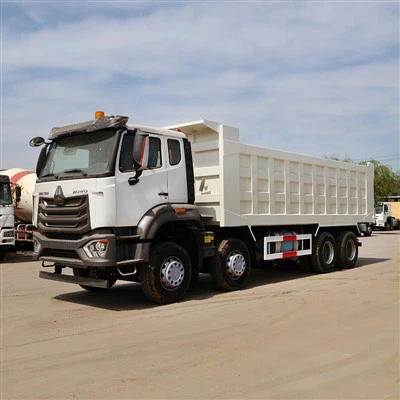
Road transport is the most common method for transporting used construction machinery, especially for short – to – medium distance movements. It offers flexibility in terms of pick – up and drop – off points. You can choose from a variety of trucks and trailers depending on the size and weight of the machinery. Flatbed trucks are suitable for smaller machinery that can be easily loaded and secured. For larger and heavier pieces, low – bed trailers are the preferred option as they can handle heavy loads and provide a lower center of gravity for safer transportation.
When selecting a road transport provider, look for companies with experience in transporting construction machinery. They should have well – maintained vehicles and a good safety record. Check their insurance coverage to ensure that your machinery is protected in case of an accident or damage during transit.
Rail Transport
Rail transport is a cost – effective option for long – distance transportation of used construction machinery. It can handle large volumes of heavy equipment at once. Railways have specific loading and unloading facilities, and the machinery needs to be properly secured on the railcars. However, rail transport has limitations in terms of flexibility as it requires access to railway tracks and specific loading and unloading points. You may need to arrange for additional road transport to move the machinery from the rail terminal to your final site.
Sea Transport
If you’re transporting used construction machinery over long distances, especially across countries or continents, sea transport is a practical choice. It can accommodate large and heavy machinery, and shipping containers or roll – on/roll – off (RoRo) vessels are commonly used. Shipping containers are a good option for protecting the machinery from the elements during the journey. RoRo vessels allow the machinery to be driven directly onto and off the ship, which simplifies the loading and unloading process. However, sea transport involves longer transit times and additional paperwork, such as customs clearance.
3. Preparing the Machinery for Transport
Before transporting the used construction machinery, it’s essential to prepare it properly to prevent damage during transit.
Cleaning
Thoroughly clean the machinery to remove dirt, debris, and any loose parts. This not only makes it easier to inspect the machinery for damage but also helps prevent corrosion during transport. Pay special attention to areas where dirt can accumulate, such as the undercarriage and hydraulic systems.
Securing Loose Parts
Secure any loose parts, tools, or accessories on the machinery. This can be done using straps, ropes, or bolts. For example, if there are attachable buckets or shovels, make sure they are firmly attached or stored safely within the machinery.
Fluid Drainage
Depending on the transport method and regulations, you may need to drain certain fluids from the machinery. For example, if you’re transporting the machinery by air or sea, you may need to drain fuel, oil, and hydraulic fluid to a safe level to prevent spillage. However, make sure to follow the manufacturer’s guidelines when draining fluids.
Loading the Machinery
Loading the used construction machinery onto the transport vehicle must be done carefully. Use appropriate loading equipment such as cranes or ramps. When using a crane, ensure that the lifting points on the machinery are correctly identified and attached to the crane’s hooks. If using a ramp, make sure it is stable and properly secured.
4. Logistics and Documentation
Managing the logistics of transporting used construction machinery is crucial for a smooth process.
Permits
Depending on the size, weight, and the route of transportation, you may need to obtain various permits. For road transport, over – dimensional and overweight permits are often required. These permits can be obtained from the local transportation authorities. For international transport, additional customs permits and documentation are necessary. Make sure to research and obtain all the required permits well in advance to avoid delays.
Insurance
Purchase comprehensive insurance coverage for the machinery during transport. This protects you against potential losses due to accidents, damage, or theft. Work with a reputable insurance provider who has experience in insuring construction machinery. The insurance policy should cover the full value of the machinery, including any additional costs such as transportation fees.
Tracking and Communication
Establish a system for tracking the progress of the machinery during transport. Many transport companies offer real – time tracking services, which allow you to monitor the location of your machinery at any time. Maintain regular communication with the transport provider to stay informed about any delays or issues that may arise.
5. Unloading and Installation at the Site
Once the used construction machinery arrives at your site, the unloading process should be carried out carefully.
Unloading
Use the same or similar equipment as the loading process, such as cranes or ramps. Make sure the unloading area is clear of obstacles and is stable enough to support the weight of the machinery. Follow the proper safety procedures during unloading to prevent accidents.
Installation and Commissioning
After unloading, if necessary, install and commission the machinery. This may involve connecting hydraulic lines, electrical systems, and performing test runs to ensure that the machinery is in proper working condition. If you’re not familiar with the installation process, it’s advisable to hire a professional technician.
6. Cost Considerations
Transporting used construction machinery can be a significant expense. The cost depends on several factors, including the type of transport method, the distance, the size and weight of the machinery, and any additional services such as insurance and permits.
When comparing transport providers, don’t just focus on the price. Consider their reputation, experience, and the quality of their services. A slightly higher cost may be worth it if it means better protection for your machinery and a more reliable transport process.
Conclusion
Sinotruk Truck Transporting used construction machinery to your site requires careful planning, proper preparation, and efficient logistics management. By following the steps outlined in this blog, you can ensure that your machinery is transported safely and efficiently. As a used construction machinery supplier, I understand the importance of a seamless transportation process for our customers. If you’re in the market for used construction machinery and need assistance with transportation, I’d be more than happy to discuss your requirements. Contact me to start a conversation about your specific needs, and let’s work together to find the best solution for transporting your machinery to your site.
References
- Construction Equipment Handbook, various editions
- Transportation Regulations Manuals from local and international authorities
- Industry reports on used construction machinery transportation trends
Heavy Leading Company Limited
Heavy Leading Company Limited is one of the most experienced used construction machinery manufacturers and suppliers in China, featured by quality products and low price. Welcome to buy discount used construction machinery in stock here and get pricelist from our factory. We also accept customized orders.
Address: Guotang, Quanpu, Liangshang, Jining City, China
E-mail: truckalex@heavyleading.com
WebSite: https://www.truckalex.com/
