If you’re in the market for fire safety gear, you’ve probably heard of water mist sprinklers — but do you actually know where they’re most often used? As a water mist sprinkler supplier, I get asked this all the time, and let me tell you, these bad boys are way more versatile than the old-school heavy-duty sprinklers you see in office buildings. I’ve been selling these things for years, and I’ve seen firsthand how they fit into all kinds of spaces, from tiny apartments to massive industrial plants. Let’s break down the common spots where you’ll find them, and why they’re such a game-changer over traditional sprinkler systems. Water Mist Sprinkler
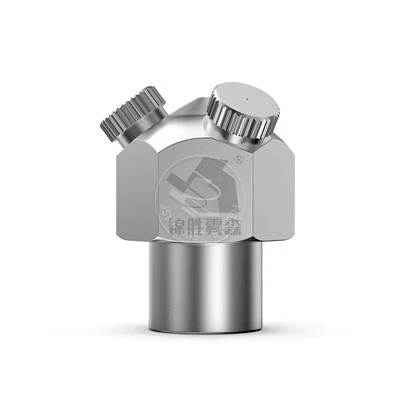
First up, let’s talk about residential spaces — specifically, homes, and especially the ones that can’t handle a regular sprinkler. Wait, you might be thinking, “My house has a standard sprinkler, why would I need water mist?” Fair question, but water mist is perfect for smaller homes, condos, and apartments, especially in older buildings where the ceilings are low or the plumbing can’t handle the high water pressure regular sprinklers need. I recently hooked up a 2-bed condo in downtown Chicago that was built in the 1920s — their original pipes were so small, a regular sprinkler would’ve caused a flood that would’ve ruined the hardwood floors and the neighbor’s ceiling below. Water mist uses way less water (like, 90% less than standard sprinklers) so it puts out the fire without turning your place into a swimming pool. It’s also super popular in high-rise apartments, which have had issues with sprinkler leaks damaging units in the past. People love that these only activate in the exact spot there’s a fire, not the whole apartment. Oh, and vacation homes — especially lake houses or cabins where water access is limited? Water mist is ideal because it doesn’t waste a ton of water, and it works even if your well water pressure is a little low.
Next, commercial kitchens — hands down, one of the most common spots for water mist. Let’s be real, commercial kitchens are fire hazards waiting to happen. Grease fires, hot stoves, deep fryers — that’s a recipe for disaster. Regular sprinklers use water, but grease fires don’t mix with water — they can actually spread the flames. Water mist systems, though? They’re designed to target grease fires specifically. The tiny droplets cool the fire down and smother the oxygen without splattering grease all over the place. I’ve installed these in restaurants, cafes, even food trucks. Last year, I worked with a pizza place in Miami that had a small grease fire on their grill during a test. The water mist went off, put it out in two seconds, and only left a few damp spots on the counter. No flood, no ruined food, no downtime. Way better than the old hood sprinklers that used to drench the whole kitchen and make the floors slippery for days.
Then there’s industrial facilities — think places that deal with flammable liquids, chemicals, or machinery. Factories, warehouses, paint shops, even power plants. These spaces need a fire system that can handle big fires without causing massive damage. Standard sprinklers use so much water that they can ruin expensive equipment, raw materials, or stored goods. Water mist, on the other hand, is lightweight, uses less water, and can be customized to cover specific areas where the risk is highest. For example, a warehouse storing paint thinners or solvents — those are Class B fires (flammable liquids), and water mist is rated to put those out. I just finished a project at a metal fabrication shop where they have big welding stations and flammable metal coatings. The client didn’t want to replace their expensive machinery if there was a fire, so we installed water mist systems that activate only near the welding area. So far, they haven’t had a real fire, but during a drill, it worked perfectly — no water got on the $50k welding machines, just enough mist to put out the test fire. It’s also used in power plants around transformers — those have oil that can catch fire, and water mist is safe for electrical equipment, unlike other fire suppression systems that leave a corrosive residue.
Wait, what about marine settings? Yachts, ships, even ferries. That’s another big one. On a boat, space is limited, water storage is a pain, and fires can be extra dangerous because you’re in the middle of the water (but not the kind you want to use to put out a fire fast). Water mist systems are compact, so they don’t take up valuable storage space. They also use way less water than standard marine sprinklers, so you don’t have to carry as much water on board. A lot of luxury yacht owners actually seek these out because they don’t want their expensive interior furniture or electronics damaged by water. I know a guy who owns a 100-foot yacht in Fort Lauderdale — he told me regular sprinklers would’ve water-damaged his custom leather couches and flat-screens, but his water mist system went off once when a wire shorted, and all he had to do was wipe down the area. No big repairs, no hassle. Even fishing boats use them because they handle fuel fires, which are common on boats with big engines.
Hospitality and healthcare facilities too — hospitals, nursing homes, hotels. These places have a lot of people who can’t move fast if there’s a fire, and they also have sensitive equipment (like MRI machines, oxygen tanks) that can’t get wet. Water mist is gentle enough that it won’t damage oxygen tanks or electronics, which is huge. I installed a system at a nursing home in Phoenix last year — the staff was worried that a regular sprinkler would make the floors slippery for residents with mobility issues, and also ruin the heart monitors in the patient rooms. The water mist only activates in the fire zone, so the rest of the room stays dry, and the mist is cool, so it doesn’t burn anyone if it touches their skin (which is a bonus for elderly or sensitive patients). Hotels also love them because they don’t have to worry about lawsuits from water damage — I’ve had a few hotel managers tell me they had issues with guests suing after regular sprinklers went off for no reason, but water mist is less likely to false-activate, and even if it does, the damage is minimal.
Another spot that’s growing in popularity: data centers and server rooms. Let’s face it, data centers are where all the important stuff lives — servers, hard drives, critical data. If a fire breaks out here, you can’t use water, because it’ll ruin every server and cost millions in downtime. A lot of places used to use gas-based suppression systems, but those are expensive, and they can be dangerous if someone is in the room when it activates. Water mist is the middle ground — it puts out the fire without damaging the electronics (since the tiny droplets evaporate almost instantly) and it’s safe for humans. I’ve set these up at a few small data centers in Austin, and the IT guys swear by them. They did a test where they lit a small fire under a server rack, and the water mist went off, put it out, and the servers were still working after a quick wipe-down. No need to replace $10k servers, no downtime for clients. That’s a win-win.
Wait, should I mention museums and libraries? Oh yeah! Those places have priceless artifacts, rare books, paintings, and historical documents. A water damage from a regular sprinkler would destroy irreplaceable items — I’m talking about the kind of damage that can’t be fixed. Water mist systems use such a small amount of water (like, enough to cool the fire, not soak the room) that they can put out a fire without ruining a 500-year-old manuscript or a Van Gogh painting. I worked with a small museum in Boston a couple years ago that had a old library wing — they were nervous about using any fire system that could damage the books, so we installed water mist that’s hidden in the ceiling, so it doesn’t ruin the aesthetics of the historic space. It’s also great for archives, where paper and photos are stored — no more worrying about a sprinkler turning a rare photo collection into a pulp.
Let’s be real, not all water mist systems are the same, right? As a supplier, I always make sure to match the right system to the space. For example, a kitchen needs a different nozzle than a data center, and a yacht needs a more compact system than a warehouse. I’ve seen companies try to use one-size-fits-all systems, and that doesn’t work — that’s why it’s important to work with someone who knows the ins and outs of water mist. The biggest mistake people make is thinking “all sprinklers are the same,” but when it comes to fire safety, that’s not the case. Water mist is super efficient because it turns water into tiny droplets, which have more surface area to cool the fire and smother the oxygen, so you need less water, less pressure, and it works faster.

I should also mention why these are replacing old systems so much. Back in the day, the go-to was dry pipe systems or gas systems, but they’re expensive, messy, and dangerous. Water mist is more affordable to install (in many cases), easier to maintain, and way safer for people and property. I’ve had so many clients tell me they chose water mist because they didn’t want to deal with the hassle of clean-up if a fire happened, or the risk of damaging their valuable stuff.
Snap-in Connection Piece Now, if you’re someone who’s looking to upgrade their fire safety, or if you’re not sure what system is right for your space — whether it’s a home, a restaurant, a warehouse, or a yacht — hit me up. As a water mist sprinkler supplier, I can help you figure out exactly what you need, no pushy sales stuff, just straight talk about what will keep you safe and protect your property. Don’t wait until it’s too late — fire doesn’t care if you’re prepared or not, and having the right system in place makes all the difference.
References
- Fire Protection Association. Water Mist Fire Suppression Systems: Applications and Best Practices. 2022.
- National Fire Protection Association. Standard for Water Mist Fire Suppression Systems. NFPA 750, 2021 Edition.
- International Maritime Organization. Guidelines for Water Mist Fire Suppression Systems on Ships. Resolution MSC.1/Circ.1582, 2020.
- Underwriters Laboratories. Classification of Water Mist Fire Suppression Systems for Various Hazard Levels. UL 2157, 2019.
Jinsheng Mist Forest-High Pressure Mist System
Jinsheng Mist Forest-High Pressure Mist System is one of the most experienced water mist sprinkler manufacturers and suppliers in China, featured by quality products and low price. Please rest assured to wholesale bulk water mist sprinkler in stock here and get pricelist from our factory. Customized orders are welcome.
Address: 109 Yonghong Road, Wenjiang District, Chengdu City, Sichuan Province, China
E-mail: 18190767523@163.com
WebSite: https://www.jswsmist.com/
