Hey there, if you’ve ever typed “how much is an outdoor LED screen?” into a search bar, I can almost picture you staring at a jumble of random numbers, half-answered questions, and straight-up fluff. As someone who’s been supplying outdoor LED screens for over 8 years, I get it—you don’t need a sales pitch that skips the messy, real details. You need the straight stuff, no fancy jargon, no hidden fine print. Let’s cut through the noise. Outdoor LED Screen
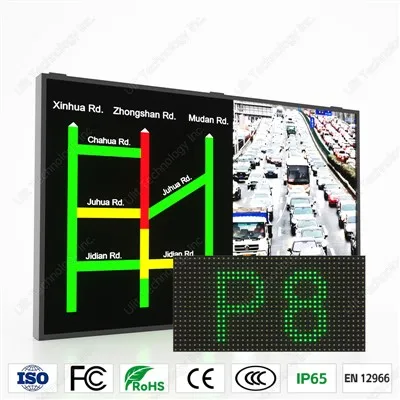
First off, outdoor LED screens aren’t like buying a TV. If you’ve ever compared a $200 Amazon 55-inch TV to a $2,000 professional one, you know why that’s a disaster. Same vibe here—outdoor screens have to survive rain, wind, 100°F summer heat, or even snow and subzero temps, plus they’ve got to be bright enough to see in direct sunlight (that’s a huge one—most cheap indoor TVs die outside mid-day). I see so many people come to me after buying a cheap “outdoor” screen from a random online seller, only for it to die 6 months later because it wasn’t built for real outdoor use. We’re talking IP65 or higher rating here—if you don’t know what that means, think: water can’t get in no matter if it’s a light drizzle or a heavy downpour, and dust won’t clog the tiny LEDs either. That’s non-negotiable for anything that’s not just a summer backyard patio side project.
Now, let’s get to the numbers, but don’t grab your calculator just yet—they’re not one-size-fits-all. I’ve sold screens to small local coffee shops for their outdoor event boards, to big concert promoters for festival stages, to malls for their mall entrance displays, even to sports fields for youth league scoreboards. Each one’s cost is totally different, and I’ll break down exactly what factors change the price, not just throw out a random low/high number.
First big factor: size. That’s obvious, but it’s not just inches—for LED screens, we use “pixel pitch” too. Pixel pitch is the distance between each tiny LED light, measured in millimeters. For example, a P2 screen (2mm between pixels) is super sharp, great for close-up viewing—like if people are standing right in front of it, say a festival concert where folks are 10 feet away or closer. A P10 screen is way bigger pitch, sharper for people 30+ feet away, perfect for a football field or a parking garage sign where no one’s walking up to it. Why does pitch matter? Cheaper pitch numbers (smaller mm) = more LEDs, so more parts, more work, higher cost. A small P2 screen, say 10ft wide by 5ft tall? That’s around $8,000 to $12,000. A big P10 screen, like 30ft wide by 15ft tall? That’s about $15,000 to $22,000, roughly. Size adds up fast—double the width or height, and you’re talking double the LEDs, so double the cost, more or less. But here’s a pro tip: don’t buy a way bigger screen than you need just because you can. I had a client who bought a massive 40ft screen for his small town’s farmers market, and half the screen went unused because the crowd was only in one spot. Wasted cash.
Second huge factor: brightness. This is make-or-break for outdoor use. Indoor TVs max out at like 500 nits—you can’t see them in bright sun. Outdoor screens need 1,500 nits minimum, and if it’s for a sunny spot like a downtown plaza, make that 2,500 to 5,000 nits. Higher brightness means way more expensive LED chips. Cheap screens cut corners here—they put in 1,000 nits, so they’re black as a bat at noon. I’ve had people come back to me mad because they spent $3,000 on a screen that only works after sunset, and that’s why. Brightness directly ties to power use too—super bright screens use more electricity, so that’s an ongoing cost, but I always tell clients it’s worth it because you’re actually getting value for your money. If you’re in a dim, shaded spot like a covered patio, you can get away with lower brightness, saving a few grand.
Third thing: mounting and setup. A lot of new buyers forget this, and it’s the #1 surprise cost. Are you mounting it to a wall? Building a custom metal frame for a ground installation? Hanging it from a truss for events? Running power and data cables to it? If you’re a DIY type, I can sell you the screen itself, but I’ll warn you now—most people mess up the wiring or the frame. For example, a wall mount installation for a small café’s 10ft screen is like $1,500 to $2,500. A ground mount for a soccer field, which needs a concrete base and heavy wind-rated anchors (because screens act like a sail in strong winds), that’s $4,000 to $7,000 on top of the screen cost. Event screens are even different—they’re portable, so they come with rolling cases and quick-connect frames, which adds a few hundred to a couple grand compared to a permanent fixed screen.
Fourth: extra features. Do you need weatherproof enclosures? Wait, most modern outdoor screens don’t need those—they’re built IP-rated already, but if you want a custom tinted cover for extra sun protection, that’s more. Do you want a touchscreen? Yeah, touch outdoor screens are way more expensive—add 30-50% to the base cost, and they’re trickier to keep working because dirt and rain can mess with the sensors. What about audio? Screens with built-in speakers add $500-$1,500, or you can hook it up to your existing sound system, which is cheaper. Content management software is another one—basic software to play videos and images is included, but if you want something fancy, like scheduled content, social media integration, or ad playlists for a mall, that’s $1,000 to $3,000, plus a monthly subscription if it’s cloud-based.
Now, let’s get to real-world examples, so you can wrap your head around it. Last month, I worked with a local youth baseball league. They wanted a small scoreboard screen for their field, visible from the parking lot. We went with a P8 screen (good for 20ft viewing distance), 12ft wide by 6ft tall, 2,000 nits brightness, ground mount with a simple aluminum frame, no frills. Total cost? Around $8,500 all-in, including setup. That included the screen, frame, concrete base, and wiring. They paid in full, and it’s been running great for 2 months now, no issues even when we had that big thunderstorm a few weeks back.
Another example: a coffee shop in downtown Chicago that wanted a small screen by their patio to show menu items and event posters. They got a 8ft wide by 4ft tall P4 screen (sharp enough to read up close), 3,000 nits, wall-mounted to their brick building. Total cost? Around $6,200. They saved a bit because they already ran power and data to that wall, so we didn’t have to do extra trenching. They love it—lines have gone up 10% since they put it up.
And a bigger one: a summer music festival in Austin that needed a main stage screen. They went with a 40ft wide by 20ft tall P3 screen, 5,000 nits (super bright for the Texas sun), portable with rolling trusses, plus audio integration and cloud content software. Total cost? Around $45,000. That’s a big number, but for a festival that makes hundreds of thousands in ticket sales, it’s a no-brainer. They only need it for 3 months a year, so the portable setup makes sense—they break it down and store it the rest of the time.
Wait, but what about cheap options? I’m not gonna lie—you can get a “10ft outdoor LED screen” for $2,000 on some marketplace. But let me tell you what you’re getting there. That’s a P15 or worse, super low nits (like 800, so you can’t see it in sun), not IP65 rated—IP54 at best, so a light mist will kill it. It’s made in a cheap factory, no warranty, and if it breaks, you’re on your own. I’ve had clients come to me with those—they spend $2,000, it dies in 3 months, and then they have to spend $8,000 on a real screen anyway. That’s a total waste of cash. I always tell people: if it seems too good to be true, it is. Outdoors is not the place to cut corners.
Warranty is another thing that affects cost, or at least value. Basic screens come with a 1-year parts warranty, labor extra. Mid-range is 2-year parts and labor, which is standard. High-end screens (like for commercial use or heavy events) have 3-5 year warranties, which adds 10-15% to the base cost, but it’s worth it—if something breaks, you don’t pay for parts or labor. I always offer extended warranties, and I don’t push them hard, but I tell people what they’re getting. For example, the baseball league I mentioned went with the 2-year warranty, and the festival went with 3 years because they’re moving it around a lot.
Ongoing costs too, don’t forget those. Electricity: a 10ft screen uses like $50-$100 a month in electricity, a 40ft screen uses $200-$400 a month. Content: if you’re not using your own videos, you might hire someone to make content, which is $100-$500 a month depending on how often you update it. Maintenance: once or twice a year, you wipe the LEDs with a soft cloth (no harsh chemicals, that’s a common mistake), check the wiring, maybe tighten bolts. That’s like $200-$500 a year for a small screen, more for big ones. If you’re not comfortable doing it yourself, I offer a maintenance service for $500 a year for small screens.
Now, let’s talk about hidden things people don’t ask about. Wind rating! If you’re putting a screen on a rooftop or a high ground, it needs to be rated for wind speeds. A screen for a low back yard can handle 50mph winds, but a rooftop screen needs to handle 90+ mph, which adds to the frame and mounting cost. I had a client in Florida who forgot this—his screen got damaged in a hurricane (not a crazy one, like 60mph) because his frame wasn’t rated. We had to replace it with a wind-rated frame, and that added $1,200 to the total. Also, permits! A lot of cities require a permit for large outdoor displays, especially if they’re on public property or visible from the street. Permits can be $100-$500, depending on where you are, and I always help clients fill out the paperwork—no extra charge, because I don’t want them to get fined.
So putting it all together, the real ballpark numbers (all-in, permanent, IP65+ rated, good quality, no cheap junk) are: small screens (up to 10ft wide): $5,000-$12,000. Medium screens (10ft to 30ft wide): $12,000-$30,000. Large screens (30ft+ wide): $30,000 and up. If it’s portable for events, add 20-30% to that, because of the rolling cases and quick-connect parts. If you need extra features like touchscreen, higher brightness, or wind-rated mounts, add 10-40% depending on what you need.
Wait, but I know what some of you are thinking: “I just need a screen for my backyard for birthday parties, not a commercial one.” Can I get a cheaper one? Yeah, for small residential use, you can get a smaller P6 or P8 screen, maybe 8ft wide, with basic waterproofing, that’s around $3,000-$5,000. It’s not as heavy-duty as a commercial one, but it works for occasional use. Just don’t leave it out 24/7 in the rain if you can help it—cover it when not in use. That’s a good middle ground for people who don’t need it for work.
Now, let’s be clear: I’m not here to sell you the most expensive screen on the market. My job is to figure out what you actually need, not what I can upsell. If you’re a small café with a $5,000 budget, I’m not gonna show you a $20,000 screen that’s way too big. If you’re a festival that needs a screen that can handle 100 people jumping on it (yeah, that happens), I’m not gonna show you a flimsy one that’ll break after the first set. I’ve been doing this long enough to know that every project is different, so the exact price will depend on your specific needs.
If you’re still trying to figure out what you need, here’s a quick checklist: 1) Where is it going? (Sunny downtown? Shaded patio? Rooftop? Field?) 2) How big does it need to be, and how far will people be from it? 3) Do you need it permanent or portable? 4) What’s your budget? 5) Do you need extra stuff like audio, touch, or content software?
And hey, if you have questions, or you want a custom quote, just reach out. I don’t do generic “contact sales” nonsense—when you message me, we’ll chat about your project, I’ll explain exactly what you need, no hidden fees, no fine print. I’ve worked with small local businesses, big corporations, nonprofits, everyone. Just tell me what you’re looking for, and I’ll give you the real numbers, not the fluff you see everywhere else.
400mm Traffic Light References:
- LED Screen Association. (2022). Outdoor LED Display Specifications and Cost Benchmarks. Retrieved from industry technical whitepaper
- National Electrical Manufacturers Association (NEMA). (2021). Standards for Outdoor LED Display Environmental Ratings. Retrieved from official NEMA technical documents
- Event Tech Insider. (2023). Portable vs Permanent Outdoor LED Screen Total Cost of Ownership. Retrieved from annual industry cost analysis report
- Local Government Permit Database Guidelines. (2022). Commercial Outdoor Display Permit Requirements and Associated Costs. Retrieved from municipal planning department resource documents
Ulit Technology Inc.
As one of the most experienced outdoor led screen manufacturers and suppliers in China, we offer a wide range of products with superior quality. We warmly welcome you to wholesale bulk durable outdoor led screen from our factory. If you have any enquiry about cooperation, please feel free to email us.
Address: NO.2 Mudan Road, Nan’an District, Chongqing, China
E-mail: cqulit@sina.com
WebSite: https://www.ulitcn.com/
