Transporting a semi-trailer is a complex process that requires careful planning, specialized equipment, and adherence to safety regulations. As a semi-trailer supplier, I’ve witnessed firsthand the challenges and intricacies involved in moving these large and heavy vehicles. In this blog post, I’ll share some insights and best practices on how to transport a semi-trailer safely and efficiently. Semi-Trailer
Understanding the Basics of Semi-Trailer Transport
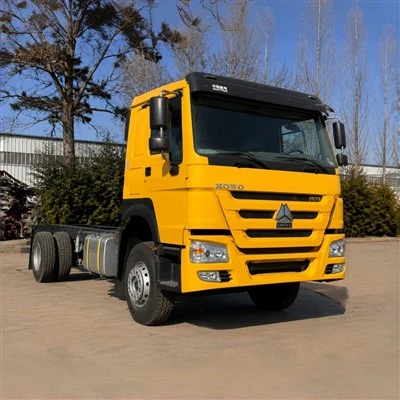
Before diving into the transportation process, it’s essential to understand the basic characteristics of semi-trailers. Semi-trailers are large, heavy vehicles designed to be pulled by a tractor unit. They come in various sizes and configurations, ranging from standard dry vans to specialized trailers for transporting liquids, livestock, or oversized cargo.
The weight and dimensions of a semi-trailer can vary significantly depending on its type and load capacity. For example, a standard dry van trailer can weigh anywhere from 10,000 to 15,000 pounds (4,536 to 6,804 kilograms) when empty, while a fully loaded tanker trailer can weigh up to 80,000 pounds (36,287 kilograms) or more.
Planning the Transport
The first step in transporting a semi-trailer is to plan the route and logistics. This involves considering several factors, including the size and weight of the trailer, the road conditions, and any legal requirements or restrictions.
- Route Planning: When planning the route, it’s important to choose the most direct and safe route possible. Avoid narrow roads, low bridges, and areas with heavy traffic or construction. Use a mapping service or GPS device to identify the best route and check for any potential obstacles or hazards.
- Load Securement: Proper load securement is crucial to ensure the safety of the trailer and its contents during transport. Make sure the load is evenly distributed and secured using appropriate tie-downs, straps, or chains. Follow the manufacturer’s recommendations for load securement and check the load regularly during transport to ensure it remains secure.
- Legal Requirements: Before transporting a semi-trailer, it’s important to familiarize yourself with the legal requirements and regulations in the areas where you’ll be traveling. This may include obtaining permits, adhering to weight and size restrictions, and complying with safety regulations. Check with the local transportation authorities or a professional transport company for specific requirements.
Choosing the Right Transport Method
There are several methods for transporting a semi-trailer, each with its own advantages and disadvantages. The choice of transport method will depend on several factors, including the distance, the size and weight of the trailer, and the budget.
- Flatbed Trucking: Flatbed trucking is a common method for transporting semi-trailers. It involves using a flatbed truck to carry the trailer on its bed. Flatbed trucks are available in various sizes and configurations, and they can be used to transport a wide range of trailers, including dry vans, tankers, and flatbeds.
- Lowboy Trailer: A lowboy trailer is a specialized trailer designed to transport heavy or oversized equipment, including semi-trailers. Lowboy trailers have a low deck height, which allows them to carry taller or heavier loads. They are typically used for long-distance transport or for transporting equipment that requires a low center of gravity.
- Rail Transport: Rail transport is another option for transporting semi-trailers. It involves using a train to carry the trailer on a flatcar. Rail transport is often more cost-effective than trucking for long-distance transport, and it can be a more environmentally friendly option. However, rail transport may not be available in all areas, and it may require additional handling and transportation to and from the rail yard.
Preparing the Trailer for Transport
Before transporting a semi-trailer, it’s important to prepare it properly to ensure its safety and integrity during transport. This involves several steps, including:
- Inspection: Conduct a thorough inspection of the trailer to check for any damage or defects. Look for signs of wear and tear, such as cracks, dents, or rust. Check the tires, brakes, lights, and other components to ensure they are in good working condition.
- Cleaning: Clean the trailer inside and out to remove any dirt, debris, or contaminants. This will help prevent damage to the trailer and its contents during transport.
- Securing the Load: As mentioned earlier, proper load securement is crucial to ensure the safety of the trailer and its contents during transport. Make sure the load is evenly distributed and secured using appropriate tie-downs, straps, or chains.
- Disconnecting Utilities: If the trailer has any utilities, such as water, electricity, or gas, make sure they are disconnected and properly secured before transport.
Loading and Unloading the Trailer
Loading and unloading a semi-trailer requires specialized equipment and techniques. It’s important to follow the manufacturer’s recommendations and safety guidelines to ensure the safety of the trailer and its contents.
- Loading: When loading the trailer, use a forklift or other lifting equipment to lift the load onto the trailer. Make sure the load is centered and balanced on the trailer, and use appropriate tie-downs, straps, or chains to secure it.
- Unloading: When unloading the trailer, use a forklift or other lifting equipment to remove the load from the trailer. Make sure the load is lifted safely and carefully, and use appropriate tie-downs, straps, or chains to secure it during unloading.
Safety Considerations
Transporting a semi-trailer can be a dangerous task, and it’s important to take all necessary safety precautions to ensure the safety of the trailer, its contents, and the people involved in the transport. Some important safety considerations include:
- Driver Training: Make sure the driver of the tractor unit is properly trained and licensed to operate the vehicle. The driver should have experience driving large vehicles and should be familiar with the specific requirements and regulations for transporting semi-trailers.
- Vehicle Maintenance: Regularly maintain the tractor unit and the trailer to ensure they are in good working condition. Check the tires, brakes, lights, and other components regularly, and make any necessary repairs or replacements.
- Weather Conditions: Be aware of the weather conditions during transport, and take appropriate precautions to ensure the safety of the trailer and its contents. Avoid driving in extreme weather conditions, such as heavy rain, snow, or high winds.
- Emergency Preparedness: Have an emergency plan in place in case of an accident or other emergency. Make sure the driver has a first aid kit, fire extinguisher, and other emergency supplies on board the vehicle.
Conclusion
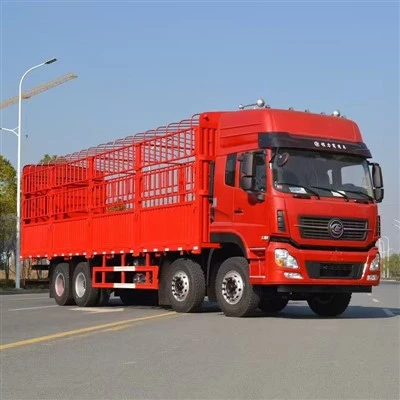
Transporting a semi-trailer is a complex process that requires careful planning, specialized equipment, and adherence to safety regulations. As a semi-trailer supplier, I understand the importance of ensuring the safe and efficient transport of our products. By following the tips and best practices outlined in this blog post, you can transport your semi-trailer safely and efficiently, and ensure the satisfaction of your customers.
Special Truck If you’re in the market for a semi-trailer, or if you need assistance with transporting a semi-trailer, please don’t hesitate to contact us. Our team of experts is available to answer your questions and provide you with the information and support you need. We look forward to working with you.
References
- Federal Motor Carrier Safety Administration (FMCSA). (n.d.). Regulations and Guidance. Retrieved from https://www.fmcsa.dot.gov/regulations
- American Trucking Associations (ATA). (n.d.). Safety Resources. Retrieved from https://www.trucking.org/safety
- National Highway Traffic Safety Administration (NHTSA). (n.d.). Vehicle Safety. Retrieved from https://www.nhtsa.gov/
Jining Dafu Machinery Sales Co., Ltd.
As one of the most professional semi-trailer suppliers in China, we’re featured by quality products and low price. Please rest assured to wholesale bulk cheap semi-trailer from our factory. We also accept customized orders.
Address: Room 1-115, Building 7, Luxinan Auto Parts City, Qiantongdian Village, Quanpu Town, Liangshan County, Jining City, Shandong Province
E-mail: jiningdafu@163.com
WebSite: https://www.dafumachinery.com/
