Hey there! I’m a supplier of Low Energy RO (Reverse Osmosis) membranes, and I’m stoked to chat with you about their role in water reuse projects. Let’s dive right in! Low Energy RO Membrane

Why Water Reuse Matters
First off, water is a precious resource. With the world’s population growing and climate change causing more unpredictable water availability, we’re facing some serious water challenges. Water reuse is a game – changer in this scenario. It allows us to take wastewater and turn it into something useful again, whether it’s for industrial processes, agricultural irrigation, or even potable water in some cases.
What are Low Energy RO Membranes?
So, what exactly are these Low Energy RO membranes? Well, RO membranes are basically super – fine filters. They’re designed to separate dissolved salts, impurities, and other contaminants from water. Regular RO membranes work great, but they can guzzle a lot of energy. That’s where Low Energy RO membranes come in. These babies are engineered to achieve the same high – quality filtration but with less energy input.
This is a huge deal because energy use is a major cost factor in water treatment processes. By using Low Energy RO membranes, water reuse projects can cut down on their energy bills, making them more sustainable and cost – effective in the long run.
The Role in Water Reuse Projects
Pretreatment
In water reuse projects, pretreatment is the first step to protect the RO membranes. Low Energy RO membranes are a bit more sensitive to fouling compared to some other filtration methods. But don’t worry, they have their own advantages. They can handle a relatively wide range of feed water qualities, which means that the pretreatment requirements can sometimes be less stringent.
For example, in many industrial water reuse projects, the wastewater has a certain level of organic matter and suspended solids. With the right pretreatment steps like sedimentation and filtration, Low Energy RO membranes can effectively remove the remaining contaminants. The lower energy requirement also means that the overall pretreatment system can be designed more efficiently, reducing the capital and operating costs of the entire project.
High – Quality Filtration
One of the main jobs of Low Energy RO membranes in water reuse projects is to provide high – quality filtration. They can remove a wide range of contaminants, including salts, heavy metals, bacteria, and viruses. This is crucial, especially when the treated water is going to be used for applications that require a high level of purity.
Take a municipality interested in reusing wastewater for non – potable purposes like watering parks and golf courses. Low Energy RO membranes can ensure that the treated water meets the required quality standards. They can remove the salts that could damage the plants and the pathogens that could pose a health risk. And all this is done while using less energy, making it an environmentally friendly option.
Concentrate Management
When water passes through an RO membrane, not all of it becomes the clean product water. A portion of it becomes concentrate, which has a higher concentration of the removed contaminants. Managing this concentrate is an important aspect of water reuse projects.
Low Energy RO membranes can be a big help here. Since they operate with less energy, they can produce a more concentrated brine. This is beneficial because it reduces the volume of the concentrate that needs to be managed. There are different ways to deal with the concentrate, such as evaporation or deep – well injection. A smaller volume of concentrate makes these processes more manageable and less costly.
Adaptability to Different Sources
Low Energy RO membranes are also pretty adaptable. They can be used with different sources of water in water reuse projects. Whether it’s municipal wastewater, industrial effluent, or even brackish water, these membranes can do the job.
For industrial water reuse, a factory might have different types of wastewater depending on its production processes. Low Energy RO membranes can be adjusted to handle these various water qualities. In some cases, the membranes can be customized to target specific contaminants, ensuring that the treated water is suitable for reuse in the industrial processes.
Real – World Examples
Let me share a few real – world examples to give you a better idea of how Low Energy RO membranes are making a difference in water reuse projects.
In a large – scale wastewater treatment plant in a coastal city, they decided to implement a water reuse project to provide water for industrial cooling. By using Low Energy RO membranes, they were able to reduce their energy consumption by almost 30% compared to the previous system. This not only saved them a ton of money but also made the project more sustainable. The treated water met the strict requirements for industrial cooling, and the plant was able to operate more efficiently.
In an agricultural region, farmers were facing water scarcity. A water reuse project was set up to treat treated municipal wastewater for irrigation. The Low Energy RO membranes were able to remove the harmful salts and contaminants from the water, making it safe for the crops. The reduced energy cost of the RO system made the project economically viable, allowing the farmers to have a reliable source of water for their fields.
Cost – Benefit Analysis
When considering water reuse projects, cost is always a major factor. Low Energy RO membranes offer significant cost benefits. On the capital side, the initial investment might be a bit higher compared to some traditional filtration methods. However, the long – term savings in energy costs more than make up for it.
Think about it. Energy is a recurring cost in water treatment, and with Low Energy RO membranes, you can significantly reduce this cost over the life of the project. In addition, the lower energy consumption also means a smaller carbon footprint, which is becoming increasingly important in today’s environmentally conscious world.
Future Outlook
The future looks bright for Low Energy RO membranes in water reuse projects. As technology continues to improve, we can expect these membranes to become even more efficient. There will likely be further advancements in membrane materials and design, leading to even lower energy requirements and better filtration performance.
Moreover, as the awareness of water scarcity grows and the demand for sustainable water solutions increases, the use of Low Energy RO membranes in water reuse projects is only going to expand. We’ll see more and more applications in diverse sectors, from small – scale community projects to large – scale industrial complexes.
Wrapping Up and Invitation
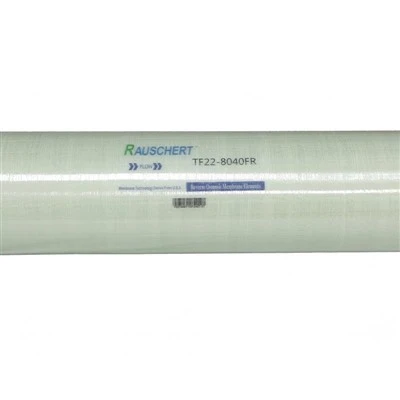
So, there you have it! Low Energy RO membranes play a crucial role in water reuse projects. They offer high – quality filtration, reduce energy consumption, help with concentrate management, and are adaptable to different water sources.
Large Capacity EDI Module If you’re involved in a water reuse project or are planning to start one, don’t hesitate to reach out. I’m here to discuss how our Low Energy RO membranes can meet your specific needs. Whether you need advice on system design, information on product performance, or want to discuss pricing, I’m just a message away. Let’s work together to make water reuse projects more efficient and sustainable!
References
- Crittenden, J. C., Trussell, R. R., Hand, D. W., Howe, K. J., & Tchobanoglous, G. (2012). MWH’s Water Treatment: Principles and Design. John Wiley & Sons.
- Greenlee, L. F., Lawler, D. F., Freeman, B. D., Marrot, B., & Moulin, P. (2009). Reverse osmosis desalination: Water sources, technology, and today’s challenges. Water Research, 43(9), 2317 – 2348.
Fujian Huamo Technology Co., Ltd.
Fujian Huamo Technology Co., Ltd. is one of the most professional low energy ro membrane manufacturers and suppliers in China, featured by quality products and good service. Please rest assured to wholesale the best low energy ro membrane made in China here and get price list from our factory. Contact us for custom service and OEM service.
Address: No.6 Hengtong Rd, Shanmei Village, Xiamei Town, Nanan City, Fujian Province, China
E-mail: info@huaromembrane.com
WebSite: https://www.hmromembrane.com/
