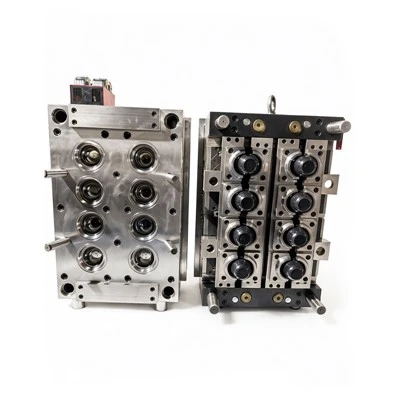
In the modern industrial landscape, the issue of environmental sustainability has become a pressing concern for businesses across all sectors. As a supplier of plastic bottle molds, I am acutely aware of the environmental impact associated with the production and disposal of these molds. In this blog post, I will share some insights and strategies on how to recycle plastic bottle molds effectively, which not only benefits the environment but also presents economic opportunities for our industry. Plastic Bottle Mold
Understanding the Need for Recycling Plastic Bottle Molds
Plastic bottle molds are typically made from high – quality steel, aluminum, or other metals, along with some plastic components. These materials are valuable, and when molds reach the end of their useful life, discarding them can lead to significant waste of resources. Moreover, the production of new molds consumes a large amount of energy and raw materials. Recycling plastic bottle molds can help reduce the demand for virgin materials, lower the energy consumption in the manufacturing process, and decrease the environmental footprint associated with mold production.
The Recycling Process of Plastic Bottle Molds
1. Assessment and Sorting
The first step in recycling plastic bottle molds is to assess their condition and sort them according to the materials they are made of. Different metals and plastics have different recycling requirements and values. For example, steel molds can be recycled into new steel products, while aluminum molds can be melted down and reused in the aluminum industry. Plastic components, if any, need to be separated and sorted based on their polymer type.
2. Cleaning and Preparation
Once the molds are sorted, they need to be thoroughly cleaned to remove any residual plastic, lubricants, or other contaminants. This can be done through various methods, such as mechanical cleaning, chemical cleaning, or a combination of both. Mechanical cleaning may involve sandblasting or grinding to remove surface impurities, while chemical cleaning uses solvents or detergents to dissolve stubborn residues.
3. Dismantling
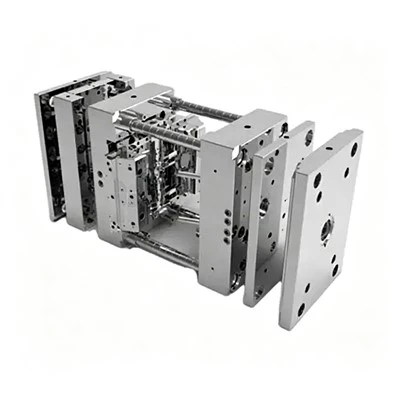
If the molds are complex and consist of multiple parts, they may need to be dismantled to facilitate the recycling process. This involves removing any non – recyclable components, such as electronic sensors or rubber gaskets, and separating the different metal and plastic parts for further processing.
4. Melting and Re – forming
For metal molds, the next step is to melt them down in a furnace. The molten metal is then refined to remove impurities and adjust its chemical composition. After that, it can be cast into new shapes, such as billets or ingots, which can be used to manufacture new molds or other metal products. Plastic components can also be melted and re – extruded into pellets, which can be used in the production of new plastic products.
5. Quality Control
Throughout the recycling process, strict quality control measures need to be implemented to ensure that the recycled materials meet the required standards. This includes testing the chemical composition, mechanical properties, and surface finish of the recycled products to ensure their suitability for use in new applications.
Economic Benefits of Recycling Plastic Bottle Molds
Recycling plastic bottle molds is not only environmentally friendly but also economically viable. By recycling, we can reduce the cost of raw materials for new mold production. The cost of virgin metals and plastics can be quite high, and using recycled materials can significantly lower these expenses. Additionally, recycling can create new business opportunities in the recycling and secondary materials market. We can sell the recycled materials to other manufacturers, generating additional revenue streams for our company.
Challenges in Recycling Plastic Bottle Molds
Despite the many benefits of recycling plastic bottle molds, there are also several challenges that we need to overcome. One of the main challenges is the complexity of the molds. Plastic bottle molds often have intricate designs and multiple components, which can make the recycling process more difficult and costly. Another challenge is the quality of the recycled materials. Ensuring that the recycled materials meet the high – quality standards required for mold production can be a technical challenge, especially when dealing with mixed or contaminated materials.
Strategies to Overcome Recycling Challenges
To address the challenges associated with recycling plastic bottle molds, we can adopt several strategies. Firstly, we can design molds with recycling in mind. This includes using fewer different types of materials and making the molds easier to disassemble. By simplifying the design of the molds, we can reduce the complexity of the recycling process and increase the efficiency of material recovery.
Secondly, we can invest in advanced recycling technologies. New technologies, such as advanced sorting systems and high – precision melting and refining equipment, can help improve the quality of the recycled materials and reduce the cost of recycling.
Finally, we can establish partnerships with other companies in the recycling and manufacturing industries. By collaborating with recycling facilities, we can access their expertise and resources, ensuring that the recycling process is carried out in the most efficient and environmentally friendly way possible.
Encouraging Customers to Participate in Recycling
As a plastic bottle mold supplier, we can also play a role in encouraging our customers to participate in the recycling process. We can provide information and guidance on how to properly dispose of used molds and offer incentives for customers to return their old molds to us for recycling. For example, we can offer discounts on new mold purchases or other rewards for customers who recycle their old molds. By working together with our customers, we can create a more sustainable supply chain and reduce the overall environmental impact of the plastic bottle mold industry.
Conclusion
Recycling plastic bottle molds is an important step towards achieving environmental sustainability in the plastic bottle manufacturing industry. By understanding the recycling process, addressing the challenges, and implementing effective strategies, we can not only reduce waste and conserve resources but also create economic opportunities for our business. As a plastic bottle mold supplier, I am committed to promoting recycling and working with our customers and partners to build a more sustainable future.
Medical Injection Mold If you are interested in learning more about our plastic bottle molds or our recycling initiatives, or if you have any inquiries about purchasing our products, please feel free to contact us. We look forward to the opportunity to discuss your needs and explore potential partnerships.
References
- "Metal Recycling Handbook", edited by John Doe, published by ABC Publishing Company.
- "Plastic Recycling: Principles and Practice", written by Jane Smith, published by XYZ Press.
- Industry reports on sustainable manufacturing practices in the plastic bottle mold industry.
Taizhou Koni Mould Co., Ltd.
As one of the most professional plastic bottle mold manufacturers and suppliers in China, we also support customized service. Please feel free to wholesale high quality plastic bottle mold made in China here from our factory. For pricelist, contact us now.
Address: No. 97 Jinju Road, Chengjiang Subdistrict, Huangyan District, Taizhou City, Zhejiang Province
E-mail: kn@kenimould.com
WebSite: https://www.kenimouid.com/
