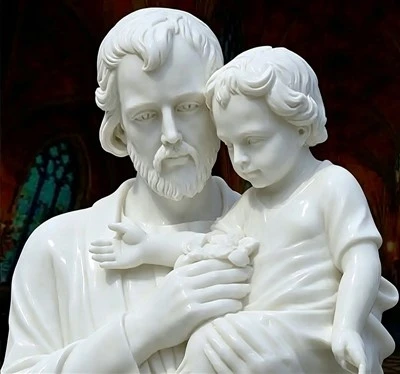
Religious sculptures hold profound cultural, spiritual, and artistic significance. As a provider of religious sculptures, it’s our responsibility to ensure that these precious artworks are displayed safely. In this blog, we’ll explore the essential safety requirements for displaying religious sculptures, from choosing the right location to implementing proper security measures. Religious Sculpture
Choosing the Display Location
The first step in ensuring the safety of religious sculptures is to select an appropriate display location. The location should be able to protect the sculptures from environmental damage, theft, and accidental collisions.
Environmental Considerations
- Temperature and Humidity: Extreme temperatures and humidity levels can cause irreversible damage to religious sculptures, especially those made of sensitive materials such as wood, stone, or plaster. The ideal temperature range for displaying sculptures is between 18°C and 24°C, with a relative humidity level of 40% to 60%. Installing a climate – controlled system in the display area can help maintain these optimal conditions.
- Lighting: Excessive exposure to direct sunlight or harsh artificial light can fade the colors and deteriorate the materials of religious sculptures. Use UV – filtered lighting fixtures and avoid placing sculptures in direct sunlight. Additionally, consider using dimmer switches to control the intensity of the light and reduce the risk of light damage.
- Ventilation: Proper ventilation is crucial to prevent the buildup of moisture, pollutants, and stagnant air, which can promote the growth of mold and mildew. Ensure that the display area has adequate ventilation to maintain a fresh and clean environment.
Physical Security and Accessibility
- Location Visibility: Choose a display location that is visible to staff and visitors to deter potential theft or vandalism. Avoid placing sculptures in isolated or hidden areas.
- Floor Support: Ensure that the floor where the sculptures will be placed can support their weight. Heavy sculptures may require additional structural support to prevent the floor from collapsing.
- Traffic Flow: Consider the flow of foot traffic in the display area to prevent accidental collisions with the sculptures. Place barriers or ropes around the sculptures to create a safe distance between them and the visitors.
Preparing the Display Surface
Once the display location has been chosen, it’s important to prepare the display surface to ensure the stability and safety of the religious sculptures.
Level and Stable Surface
- Levelling: Make sure the display surface is level to prevent the sculptures from tipping over. Use shims or leveling devices to adjust the surface if necessary.
- Stability: Mount the sculptures securely on the display surface. For larger sculptures, consider using stainless – steel brackets or anchors to attach them to the wall or floor. For smaller sculptures, use non – slipping mats or adhesive pads to keep them in place.
Protective Padding
- Soft Materials: Place a layer of soft, non – abrasive padding between the sculpture and the display surface to prevent scratches and damage. Materials such as felt, foam, or velvet are ideal for this purpose.
Handling and Installation
Proper handling and installation are critical to prevent damage to religious sculptures.
Trained Personnel
- Professional Handling: Only trained and experienced personnel should handle and install the sculptures. They should be familiar with the proper lifting techniques and safety procedures to avoid injury to themselves and the sculptures.
- Use of Equipment: Use appropriate lifting equipment, such as cranes, forklifts, or dollies, for large and heavy sculptures. Ensure that the equipment is in good working condition and operated by qualified operators.
Installation Process
- Follow Manufacturer’s Instructions: If the sculptures come with installation instructions, follow them carefully. This may include specific mounting techniques, hardware requirements, or alignment procedures.
- Inspection: Before and after installation, thoroughly inspect the sculptures for any signs of damage or loosening. Repair or secure any issues immediately.
Maintenance and Monitoring
Regular maintenance and monitoring are essential to keep the religious sculptures in good condition and ensure their long – term safety.
Cleaning and Care
- Regular Cleaning: Clean the sculptures regularly using a soft, dry cloth or a mild cleaning solution recommended for the specific material. Avoid using abrasive cleaners or harsh chemicals that can damage the surface of the sculptures.
- Preventive Maintenance: Inspect the sculptures periodically for signs of wear, damage, or insect infestation. Repair any minor issues promptly to prevent them from becoming major problems.
Security Monitoring
- Surveillance Systems: Install security cameras in the display area to monitor the movement of people and protect the sculptures from theft or vandalism.
- Alarm Systems: Consider installing alarm systems that can detect unauthorized access or movement of the sculptures. These alarms can alert security personnel or the authorities in case of an emergency.
Insurance and Documentation
In addition to taking physical safety measures, it’s important to protect your religious sculptures with insurance and maintain proper documentation.
Insurance Coverage
- Comprehensive Insurance: Obtain comprehensive insurance coverage for your religious sculptures to protect them against various risks, including theft, damage, fire, and natural disasters. Work with a reputable insurance provider to ensure that your policy provides adequate coverage.
Documentation
- Inventory and Appraisal: Keep a detailed inventory of your religious sculptures, including descriptions, photographs, and appraisals. This documentation will be useful for insurance purposes and can also help in identifying and tracking the sculptures.
- Provenance and History: Document the provenance and history of the sculptures, including their origin, previous owners, and any significant events or exhibitions they have been part of. This information can add value to the sculptures and help in establishing their authenticity.
As a religious sculpture supplier, we are committed to providing our customers with high – quality sculptures and ensuring their safe display. We understand that these sculptures are not just works of art but also hold deep spiritual and cultural significance. By following the safety requirements outlined in this blog, you can protect your religious sculptures and enjoy their beauty for generations to come.
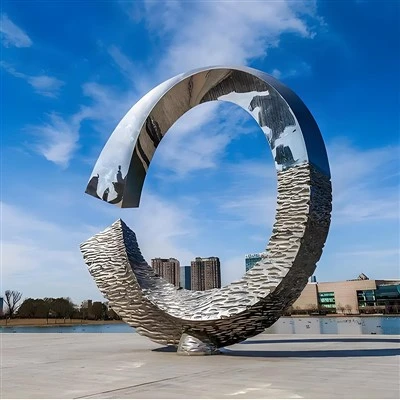
Garden Stone Sculpture If you’re interested in purchasing religious sculptures or need further advice on their safe display, we welcome you to reach out to us for a detailed discussion. We can provide you with customized solutions based on your specific needs and display environment. Our team of experts is always ready to assist you in making the right choices for your religious art collection.
References
- Conservation and Collection Care: A Guide to Managing Museum Collections, American Institute for Conservation of Historic and Artistic Works.
- Museum Environment Handbook, Canadian Conservation Institute.
- Security for Cultural Institutions, International Council of Museums.
Quyang Zhongshi Stone Sculpture Co., Ltd.
We are one of the most experienced religious sculpture manufacturers and suppliers in China. With a professional production team, we offer a wide range of products with superior quality. Please feel free to wholesale custom made religious sculpture from our factory.
Address: Yangping Development Zone, Quyang County, Hebei Province, China
E-mail: 12345@QQ.COM
WebSite: https://www.zhongshisculpture.com/
