If you’ve ever called me for a quote on gas cylinders, you know I don’t do generic numbers. Every inquiry comes with a follow-up question: “What gas will you be filling? How often will you use it? Where will it sit?” The cost of a new gas cylinder isn’t a single line item—it’s a calculation that balances raw materials, manufacturing, safety testing, regulatory compliance, and the small, unseen costs that keep your operation running without a hitch. As someone who’s been supplying cylinders to workshops, food distributors, hospitals, and small-scale farmers for 12 years, I’ve sat across from people who thought a cylinder was just a metal canister, and people who knew that a bad fit or a low-quality build could cost them thousands in downtime, safety fines, or lost product. Let’s break down what actually goes into the price, so you don’t get blindsided by hidden fees later. Gas Cylinder

First, the biggest chunk of the cost is the cylinder itself—and that all starts with the raw material. For most of the cylinders we supply, that material is high-grade carbon steel, the same alloy used in structural components for bridges and heavy machinery. It’s not the cheap steel you’d find in a DIY garden tool; it needs to withstand extreme pressure (up to 2,600 psi for industrial and medical gases, and even higher for specialty gases like acetylene). Right now, steel prices are volatile, and that directly impacts what we charge. Last year, a ton of certified cylinder-grade steel cost $820; this year, it’s hovering around $940. For a standard 20-liter propane cylinder, that’s about 12 kilograms of steel per unit, so that’s a $14 swing in raw material costs just in the last six months. If we’re talking smaller cylinders, like the 5-liter ones used for MIG welding or camping, the per-unit raw material cost is lower, but the manufacturing process for smaller, tighter parts (valve ports, pressure relief discs) is more labor-intensive, so the markup there is actually higher, not lower.
Then comes manufacturing, and this is where most suppliers cut corners to undercut quotes. We don’t just stamp a piece of metal and call it done. The first step is deep drawing: we take a flat steel disc and pull it into the curved, cylindrical shape we need, without creating weak spots or cracks. After that, we do two layers of shot blasting to remove scale and impurities, which is critical because any leftover rust or debris will contaminate the gas inside the cylinder. Next, we weld the base and add the neck, which is where the valve attaches—this has to be done with precision, because a misaligned valve will leak over time, creating a safety hazard. Then we heat the cylinder to 1,500 degrees Celsius to relieve internal stresses from the forming and welding process. Skip that step, and the cylinder could expand or even rupture when pressurized, which is why you’ll see cheap cylinders at discount stores that never last more than a few refills.
After forming, every cylinder goes through hydrostatic testing. This is the make-or-break step that proves a cylinder can hold pressure safely. We fill it with water, cap it, and pressurize it to 1.5 times its maximum working pressure. If it holds that pressure for 10 minutes without leaking, expanding more than 10% of its original size, or rupturing, it passes. In many countries, this isn’t optional— it’s a legal requirement for cylinders used for medical, industrial, or automotive purposes. For us, this test costs $25 per unit in materials and labor, and it’s non-negotiable. I’ve had customers bring in a “cheap” cylinder they bought online that failed hydrostatic testing in our warehouse, and now it’s unsafe to use, illegal to fill, and a waste of their money.
Once a cylinder passes testing, we add the valve. Valves aren’t one-size-fits-all either. A propane valve is different from an oxygen valve, which is different from an acetylene valve. Each has to be compatible with the gas, rated for the pressure, and have safety features like a pressure relief valve that releases excess pressure before the cylinder can rupture. We source our valves from ISO-certified manufacturers, not generic suppliers, because a faulty valve is one of the leading causes of gas leaks and accidents. A quality valve can cost between $15 and $35, depending on the type, and that’s another cost many low-ball suppliers cut by using cheaper, unrated valves that don’t meet safety standards.
Then there’s the regulatory and administrative cost, which is often overlooked but adds up fast. Cylinders aren’t just consumer goods—they’re pressure vessels, regulated by bodies like OSHA in the U.S., the Health and Safety Executive in the UK, and similar agencies around the world. We have to register every cylinder we sell, so we can track its age, testing history, and location for its entire lifespan. Cylinders have a limited service life, usually 10 to 15 years, depending on the material, and they require re-testing every 5 to 10 years. That tracking and documentation isn’t free; it’s hundreds of dollars a month in software, compliance training, and administrative staff to make sure we’re meeting all legal requirements. If you buy a cylinder from a supplier that doesn’t provide you with that documentation, you could face fines if OSHA or your local fire department inspects your facility.
Now, let’s talk about the different types of cylinders, because size and purpose make a huge difference in cost. The most common cylinder we sell is the 20-liter steel propane cylinder, used for small businesses, farms, and home heating. That cylinder typically retails for $120 to $160, depending on the quantity you buy. If you need a medical oxygen cylinder, that’s a different ballgame. Medical cylinders have to be made from even higher-grade steel, undergo extra testing for purity (so there’s no risk of contaminants mixing with the oxygen), and come with specialized valves that meet FDA or equivalent regulatory standards. A standard 50-liter medical oxygen cylinder costs between $350 and $450, almost three times the price of a comparable industrial propane cylinder. Specialty gas cylinders, like those for argon, helium, or acetylene, fall somewhere in between, with costs ranging from $200 to $500 depending on size and safety requirements.
But wait—there’s a big misconception here: that the cost of a cylinder is just the upfront price, but that’s not true. For most businesses, cylinders are assets, not one-time purchases. A quality cylinder from a reputable supplier can last 10 to 15 years with proper care, while a cheap cylinder might need to be replaced every 2 to 3 years because of corrosion or failed tests. That’s a huge difference in long-term cost. Let’s do the math: if you pay $120 for a quality cylinder that lasts 12 years, that’s $10 a year. If you pay $80 for a cheap cylinder that lasts 3 years, that’s $26.67 a year. Plus, the cheap cylinder is more likely to fail a hydrostatic test mid-cycle, leaving you without gas when you need it most—like during a busy harvest or a critical surgery.
Another thing to consider is deposit vs. purchase. A lot of our customers ask about cylinder deposits, which is common for exchange programs. The deposit is usually 50% to 70% of the cylinder’s value, and it’s fully refundable when you return the cylinder. But there’s a catch: if you buy a cylinder from a third-party or a discount supplier, they might not honor the deposit, or they might charge a restocking fee that eats into that refund. When you buy from us, all deposits are clearly outlined in your contract, and we waive restocking fees for returned cylinders that are in good condition. That’s another hidden cost to watch out for.
What about volume discounts? If you’re a small business needing 5 cylinders, we won’t charge you the same as a large industrial client needing 500, but even small orders get fair pricing. I’ve seen suppliers charge a 30% premium for orders under 10 units, just because they can, but we keep our pricing transparent, whether you’re a one-man auto shop needing one MIG welding cylinder or a restaurant chain needing 50 propane cylinders for your grills. We also offer flexible payment terms for larger orders, because we know that investing in new equipment can be a strain on cash flow for small and medium businesses.
There are also extra costs that come with customizations. If you need a cylinder painted in your company’s colors, or fitted with a gauge for easy pressure monitoring, or equipped with a collar to fit a specific cart, that adds to the cost, but it’s worth it for operational efficiency. Last year, we supplied a local construction company with cylinders pre-fitted with quick-connect valves, so their crews didn’t have to spend time connecting and disconnecting hoses on job sites. That small customization cut their setup time by 15% per cylinder, which translated to thousands of dollars in saved labor over the year. So when you get a quote, ask about customizations—they might cost a little upfront, but save you more in the long run.
Now, let’s address a common question: why is there such a big difference between online suppliers’ “too-good-to-be-true” prices and our quotes? A few years ago, a local bakery came to us with a quote for a propane cylinder for $70, half of what we were charging. They ordered it, and a month later, their regular gas supplier refused to refill it because it was a non-certified, overseas-made cylinder that didn’t meet U.S. safety standards. They ended up having to throw out $2,000 worth of dough that they couldn’t proof because their proofing ovens were running on the uncertified cylinder, and they had to pay a $1,500 OSHA fine for using unregulated pressure vessels. When they came back to us, I told them the $140 they would have paid upfront would have cost them a lot less than the $3,500 they lost on that cheap cylinder. That’s the reality of those low quotes—they don’t include safety, compliance, or reliability, and the hidden costs can be catastrophic.
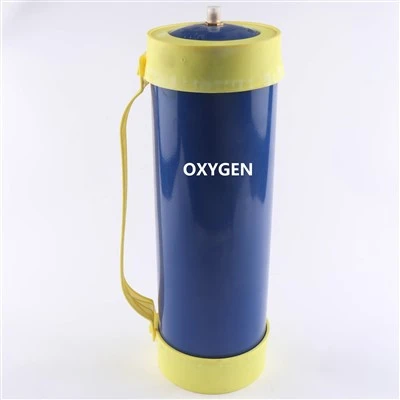
At the end of the day, the cost of a new gas cylinder is about more than metal and labor. It’s about peace of mind: knowing that when you press that valve, the gas comes out safely, that your cylinder will last for years, that you’ll have the documentation you need for audits and inspections, and that you can get support when something goes wrong. We’ve built our business on being upfront about that cost, no hidden fees, no fine print, no cutting corners on safety. If you’re in the market for new cylinders, whether you need one for your workshop or a fleet for your business, we can walk you through the options, break down the costs specific to your needs, and make sure you get a cylinder that fits your budget and your safety requirements. Reach out to us to talk through your gas needs, and we’ll give you a transparent, no-pressure quote that makes sense for your operation.
Co2 References:
- Occupational Safety and Health Administration (OSHA). (2022). Compressed Gas Cylinder Safety Standards. Retrieved from regulatory compliance guidelines for pressure vessel use in commercial and industrial settings.
- International Organization for Standardization (ISO). (2021). ISO 11119:2021 – Gas Cylinders – Refillable Seamless Steel Gas Cylinders – Design, Construction and Testing. Global safety standards for pressure vessel manufacturing.
- American Petroleum Institute (API). (2020). API 530 – Calculation of Heater Tube Thickness in Petroleum Refineries, related standards for industrial gas cylinder materials and testing.
- National Fire Protection Association (NFPA). (2021). NFPA 58 – Liquefied Petroleum Gas Code. Safety and regulatory requirements for LPG cylinder supply and use.
Fortune Gas Co., Ltd.
With abundant experience, we are one of the most professional gas cylinder manufacturers and suppliers in China. We warmly welcome you to buy bulk high quality gas cylinder from our factory. If you have any enquiry about customized service, please feel free to email us.
Address: Building 3, No. 2 Chunchao Road, Yichun Economic and Technological Development Zone, Jiangxi Province
E-mail: Fortunegas_angela@163.com
WebSite: https://www.fortunegascn.com/
