Hey everyone, if you’ve ever sourced packaging materials, especially for food, pharmaceuticals, or industrial labeling, chances are you’ve run across standard cast polypropylene (CPP) film. I’m Jake, and I’ve been in the CPP supply game for 8 years now—spent countless hours helping small-batch bakeries scale their wrappers, working with pharma teams to nail blister packaging specs, and even troubleshooting why a label kept peeling off a warehouse shelf. One question that still hits me at least once a week? “What thicknesses does standard cast polypropylene film even come in?” It’s way more than a one-size-fits-all number, and skipping that detail is how projects go sideways fast. Standard Cast Polypropylene Film
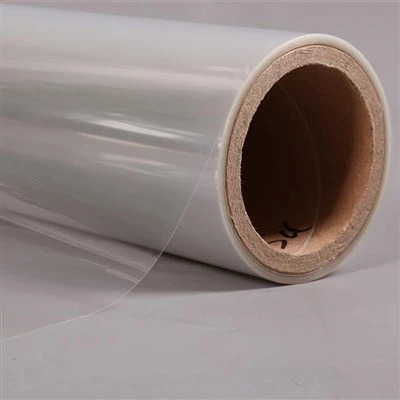
Let’s break this down like I would with a new client who’s pulling up their quotes at 5 PM on a Friday (don’t worry, I’ve been there). First, a quick recap to keep it straight: standard CPP is made by melting polypropylene resin and casting it onto a chill roller, right? No stretching like biaxially oriented polypropylene (BOPP)—that’s why it’s cheaper, heat-sealable, and super versatile for tons of uses. Thickness is measured in two main ways these days—microns (that’s the metric most suppliers use, super standard) and mils (the imperial, old-school number people from the U.S. swear by). For anyone who’s confused, 1 mil equals about 25.4 microns, so that conversion’s easy to keep in your back pocket.
Now, the range. I don’t just throw numbers at you—each thickness has a job, and picking the wrong one is a avoidable headache. Let’s start with the lightest stuff, because that’s where most people start when they just need something cheap and disposable. The thinnest standard CPP we supply is 12 to 20 microns. Wait, 12 microns? That’s so thin you can almost see light through it when you hold it up. Who uses this? Mostly overwraps for candy bars, granola bar wrappers, or even disposable face masks. It’s lightweight, holds a basic seal, and doesn’t add much cost to a bulk order. But here’s the catch—don’t use this for anything heavy. Drop a 1-oz chocolate bar in a 12-micron wrapper, and it’ll tear if you pull too hard. It’s perfect for low-stress, single-use items that never get rough handling.
Next up, the middle range—this is where most of our orders land, because it’s the sweet spot for balance. That’s 25 to 50 microns. Let’s split this down by use, because that’s what matters. 25 to 30 microns is still pretty thin, but it’s a step up. We send this to bakeries for bread wrapper headers, cookie sleeves, or even shrink wraps for small retail boxes. It’s stiffer than the 12-micron stuff, so it doesn’t crumple the second you fold it. Then 35 to 50 microns? That’s where you start getting durable. I worked with a craft brewery last year who used 40-micron CPP for their six-pack carrier liners—needs to hold the weight of six 12-oz cans, resist tearing when customers yank a pack off the shelf, and seal tight so the carrier doesn’t fall apart. Another big use here? Pharmaceutical blister packaging lids. Pharma clients swear by 45-micron CPP because it’s rigid enough to puncture cleanly with a pill blister, but not so thick that it’s hard for elderly customers to break open.
Now, the heavy-duty stuff—this is the thicker end of standard CPP, 60 microns and above. Anything over 50 microns starts to feel like a plastic bag you’d use for produce, right? Who uses this? Industrial packaging, mostly. We supply 60 to 80 micron CPP for pallet stretch film liners, because it needs to hold a stack of 20 cardboard boxes without tearing, resist UV light if the pallet’s sitting outside, and keep moisture out if you’re shipping sensitive electronics. We even do 100 micron for heavy-duty bulk packaging—like lining large industrial drums or wrapping metal parts to prevent rust. The thing about thicker CPP is that it’s less flexible, but it’s way more resistant to abrasion and impact. Just a heads up, though—thicker = more expensive, so you don’t want to overshoot here. If you only need 50 micron, don’t pay extra for 100—your project won’t need it, and that’s wasted money.
Wait, hold on—this is where a lot of suppliers mess up. “Standard” CPP thickness isn’t universal across every manufacturer. I’ve had a client come to me saying “my old supplier sent 22 micron instead of 25, and my seals kept failing” because they confused “standard” across different plants. A lot of overseas suppliers might label 18 micron as standard, but here in North America, our standard is usually aligned with ASTM specs—so we stick to that 12, 15, 20, 25, 30, 35, 40, 45, 50, 60, 70, 80, 100 micron range. That’s why it’s key to confirm with your supplier what “standard” means to them. If you’re ordering for a food product, you want to make sure they’re using food-grade resin and testing thickness consistently—we run random checks every batch to make sure we’re hitting that number, no cutting corners.
Another thing I get asked all the time: can I combine CPP with other materials to get a custom thickness? Yep, but that’s not “standard” CPP anymore. Standard is pure cast polypropylene, no lamination, no coating. Laminated CPP with PE is a whole different product, and that’s for when you need extra barrier against moisture. But if you’re asking about standard, stick to that thickness range I listed.
Let me give you a quick real example to drive this home. A small coffee roaster came to me last month. They were using 15-micron CPP for their single-serve bag overwraps, but every time they shipped 1000 bags, 20% had torn edges by the time they got to retailers. We switched them to 25-micron standard CPP, same price per pound, and the tear rate dropped to less than 1%. They thought they needed a more expensive laminated film, but all they needed was a thicker standard CPP. That’s the kind of win I live for—helping people fix problems without breaking the bank.
Now, let’s talk about how to pick the right thickness for your project. First, ask yourself two questions: what’s the item’s weight, and how is it going to be handled? If it’s a light, low-stress item (candy, masks, small cookies), 12-20 microns works. If it’s a mid-weight item (beer carriers, bread, blister packs), 25-50 microns is your go-to. If it’s heavy or gets rough handling (pallet liners, industrial parts), 60 microns and up. Don’t guess—if you’re not sure, tell your supplier the details, and they can guide you. We even send free samples of different thicknesses so people can test before ordering bulk—no pressure, just helping you get it right.
Wait, I should also mention that some suppliers offer custom thicknesses outside that range, but that’s usually for special orders. Standard is the ready-to-ship stuff, which is why it’s popular—you don’t wait weeks for custom, you get it in 3-5 days. That’s a big deal for small businesses who can’t afford to hold too much inventory or wait for custom orders.
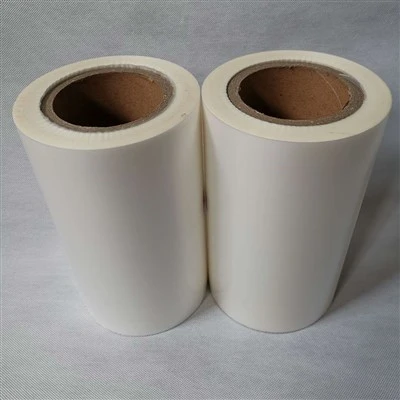
Let me wrap this up. The thicknesses for standard cast polypropylene film are way more nuanced than just a number. From the thin 12-micron overwraps for candy to the tough 100-micron industrial liners, each thickness serves a specific purpose. Picking the wrong one leads to tears, failed seals, wasted product, and unhappy customers. If you’re not sure which thickness is right for your project, I’m here to help. We’ve got samples in every thickness, we can answer your questions, and we ship standard CPP all across North America. Drop us a line to get the right specs for your needs—no jargon, no hassle, just real advice from someone who’s been doing this for years.
Standard Polyethylene Film References:
- The National Plastics Manufacturers Association. (2022). Standard Specifications for Cast Polypropylene Films.
- ASTM International. (2021). Standard Test Method for Thickness Measurement of Plastic Films and Sheeting.
- Packaging Digest. (2023). Guide to Choosing Polypropylene Films for Industrial and Consumer Packaging.
- Food and Drug Administration. (2022). Food-Grade Polypropylene Film Standards for Packaging Applications.
Qingzhou Huiyuan Packaging Materials Co., Ltd.
As one of the most professional standard cast polypropylene film suppliers in China since 1997, we’re featured by quality products and good service. Please feel free to buy cheap standard cast polypropylene film made in China here from our factory. For price consultation, contact us.
Address: Naoshan Industrial Park, Shaozhuang Town, Qingzhou City, Weifang, Shandong Province, China.
E-mail: 15864598133@163.com
WebSite: https://www.huiyuanfilms.com/
