When I get a call from a construction foreman working on a residential water main replacement, or a municipal maintenance manager dealing with a corroded underground steel pipe, one of the first questions they ask me is always the same: “Can I use your pipe repair clamp underground?” It’s a fair question, too—underground pipe repairs come with a whole set of variables above-ground jobs don’t have, and choosing the wrong clamp can lead to leaks, rework, and even property damage that costs far more than the initial repair. As a supplier who’s been in this industry for over a decade, I’ve seen both the wins where a well-chosen clamp works perfectly, and the missteps where a generic above-ground clamp failed when buried. That’s why I’m breaking down exactly what makes a pipe repair clamp suitable for underground use, what pitfalls to avoid, and how to pick the right one for your buried pipe projects. Pipe Repair Clamp
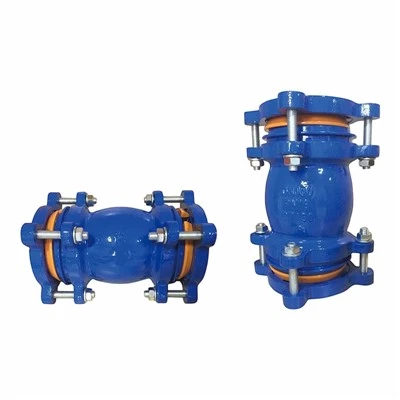
First, let’s start with the basics of what an underground pipe environment puts a clamp through. Buried pipes aren’t just sitting in dry dirt—they’re exposed to fluctuating moisture, soil pH levels that can be acidic or alkaline, external pressure from surrounding soil, potential groundwater movement, and even root intrusion in residential areas. They’re also often connected to potable water, sewer, or gas lines, so material compatibility isn’t just a convenience—it’s a regulatory requirement in many areas. A clamp that works great on a above-ground pipe in a garage won’t stand up to those conditions, and that’s not just a guess. The American Water Works Association (AWWA) has spent years testing pipe repair products, and their data shows that 60% of premature clamp failures in underground systems stem from two mistakes: using the wrong material and not accounting for installation conditions. Let’s dive into materials first, because that’s the foundation.
Not all pipe repair clamps are made equal, and for underground use, material is non-negotiable. The two most common clamp materials are ductile iron and stainless steel, but there are also options like HDPE for specific applications, and even epoxy-coated steel for budget projects. Let’s break down each: Ductile iron clamps are a staple in municipal underground jobs for good reason. They’re strong enough to handle the external soil pressure that can crush a thinner clamp, and they’re naturally corrosion-resistant—though not immune to it in highly acidic soils. Stainless steel, especially 316 grade, is the gold standard for harsh underground environments like coastal areas, where saltwater can seep into the soil, or industrial sites with high chemical runoff. The difference between 304 and 316 stainless is critical here: 304 will rust in salt or high-chloride soil over time, while 316 has molybdenum added to resist that corrosion. I’ve seen too many contractors save a few dollars on 304 clamps for a coastal underground sewer line, only to pull the clamp a year later and find it pitted beyond repair. That’s a costly mistake.
Then there’s the sealing element, which is just as important as the clamp body. The rubber gasket inside the clamp is what actually stops leaks, and for underground use, it can’t just be basic neoprene. Neoprene works for above-ground, but underground needs gaskets that can withstand long-term immersion in water, exposure to chemicals in soil, and temperature swings that range from freezing winters to hot summers. EPDM (ethylene propylene diene monomer) is the go-to for most underground water and sewer lines—it’s resistant to moisture, alkali, and most common soil chemicals. But for gas lines, you need a nitrile or HNBR gasket, since those are compatible with petroleum-based products and won’t degrade from gas exposure. I always tell customers to match the gasket material to the pipe’s content, not just the soil, because a sewer line’s waste has different chemicals than a cold water main. That’s another detail that makes all the difference between a clamp that lasts 5 years and one that lasts 20.
Next, let’s talk about installation, because even the best clamp in the world will fail if it’s installed wrong underground. Underground work has its own unique installation challenges that you don’t have above ground. For one, access is often limited—you’re digging a trench, so the space to work around the pipe is tight, and you might not have power tools or extra hands like you do on a surface pipe. That means a clamp that’s easy to assemble and adjust is way better for underground use than a bulky, complex one with dozens of bolts. I’ve had customers switch from a 12-bolt clamp to a 6-bolt clamp for underground jobs and cut their installation time in half, with no loss in seal quality. Another installation factor for underground: soil compaction. When you bury the pipe after installing the clamp, you have to make sure the clamp is fully seated against the pipe, and that the soil around it doesn’t shift unevenly. Some underground clamps come with a reinforced outer shell that distributes pressure evenly, which prevents the clamp from shifting and breaking the seal as soil settles. That’s a feature you don’t need for most above-ground jobs, but it’s non-negotiable for buried ones.
Now, let’s address a common myth: “Any pipe repair clamp works underground as long as it’s strong.” That’s not true. There are specific clamp designs made exclusively for underground use, and generic repair clamps (the ones you might pick up at a hardware store for a broken pipe in your basement) are almost never suitable for burial. Why? Generic clamps are often designed for temporary repairs or above-ground use, with thin bodies and gaskets that aren’t made for long-term soil exposure. For example, a standard split sleeve clamp (the type that slips over a pipe and is tightened with a couple of bolts) might work for a leak in your above-ground sprinkler pipe, but bury that same split sleeve and the thin metal will corrode in 3-5 years, and the gasket will crack from soil pressure. Underground repair clamps, by contrast, are designed to be fully encased in soil, with pressure ratings that account for the weight of the dirt above them, and gaskets that are formulated to not degrade when left submerged for decades.
I want to share a real example to illustrate this. A couple of years ago, a small town reached out to us after they had a leak in a 8-inch cast iron water main. They had used a generic split sleeve clamp they bought from a local hardware store to fix a small pinhole leak, but within 18 months, the clamp had rusted through and the leak had gotten worse, causing $15,000 in water damage to a nearby road. They switched to our ductile iron underground repair clamp with an EPDM gasket, and three years later, they called to say the clamp was still holding perfectly, no leaks, no corrosion. That’s the kind of difference using the right clamp makes.
Now, what about edge cases where underground clamps might not work? Let’s be honest—no product is one-size-fits-all. For very high-pressure underground pipes (like transmission pipelines that carry gas or large volumes of water), a standard repair clamp might not have the pressure rating you need. In those cases, you’d need a specifically designed repair coupling or a full encirclement clamp that can handle 150 PSI or more. Also, for pipes with severe structural damage—like a pipe that’s cracked all the way through or has a large section of corrosion loss—an underground repair clamp might not be enough, and you’d need to replace the section of pipe. That’s why it’s important to have a pipe inspection before choosing a repair method: if the damage is beyond what a clamp can handle, even the best underground clamp won’t work.
Another factor I can’t overlook is regulatory compliance. Many municipalities and state health departments have specific rules for underground pipe repairs, especially for potable water systems. For example, in the U.S., the AWWA C232 standard covers pipe repair clamps for water systems, and any clamp used underground for drinking water has to meet that standard, meaning it’s made of materials approved for contact with potable water, and has been tested for long-term performance. Using a non-compliant clamp can lead to fines, and even worse, health risks if the clamp leaches chemicals into the water. As a supplier, all the underground clamps we offer are AWWA C232 compliant, and we provide documentation for every order, so our customers can prove they’re meeting local regulations.
Let’s wrap up with a quick checklist to make sure your next underground pipe repair uses a suitable clamp. First, confirm the material: choose ductile iron for most municipal and residential water/sewer lines, 316 stainless steel for coastal or industrial areas. Second, match the gasket: EPDM for water/sewer, nitrile for gas, make sure it’s compatible with your pipe’s content. Third, pick a design made for underground use, not a generic above-ground clamp—look for full encirclement, reinforced bodies, and adjustable bolts that work in tight trench spaces. Fourth, check for compliance: make sure the clamp meets AWWA or local regulatory standards for underground use. And finally, work with a supplier who can help you match the clamp to your specific pipe size, material, and underground conditions.
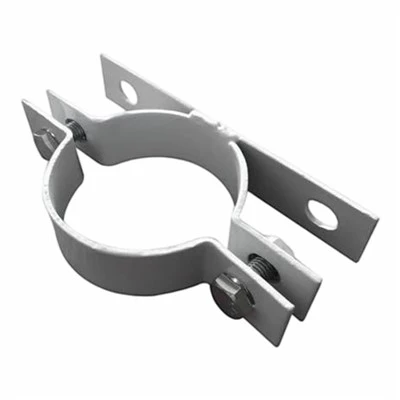
At the end of the day, underground pipe repairs aren’t the place to cut corners. A pipe repair clamp that’s suitable for underground use isn’t just about the price tag—it’s about long-term performance, avoiding costly rework, and keeping the lines that serve homes and businesses running smoothly. If you’re working on an underground pipe project and you’re not sure which clamp is right for you, feel free to reach out to our team to discuss your needs. We can walk you through materials, sizes, and compliance requirements to make sure you choose a clamp that will hold up for decades, not just a few years.
Elbow Repair Clamp References:
- American Water Works Association. (2021). AWWA C232: Standard for Pipe Repair Clamps. American Water Works Association.
- National Association of Water Companies. (2022). Underground Pipe Repair Best Practices. NACWA Technical Bulletin.
- Stainless Steel Industry Association. (2020). Corrosion Resistance of Stainless Steels for Buried Applications. SSIA Technical Report.
- Pipeline Safety Trust. (2021). Underground Pipe Repair Material and Design Guidelines. Pipeline Safety Research Report.
Fujian Fufa Valve Manufacturing Co., Ltd.
As one of the most professional pipe repair clamp manufacturers and suppliers in China, we’re featured by quality products and good price. Please rest assured to buy durable pipe repair clamp made in China here from our factory. Welcome to view our website for more information.
Address: Meilin Xikou Industrial Zone, Nan’an City, Quanzhou City, Fujian Province
E-mail: hongwenjin@fufafamen.cn
WebSite: https://www.fufavalve.com/
