If you’ve ever stood in a hardware store staring at a stack of washers, or had a contractor text you at 2 a.m. asking for “the right washer size for this bolt,” you know how easy it is to mix up small details that can derail an entire job. For years, as someone who’s spent every day sourcing, selling, and troubleshooting washers for construction, automotive, and industrial clients, I’ve seen more than a few projects go sideways because someone grabbed a washer that looked close enough, not one that actually fit. Today, let’s break down exactly how to figure out what size washer you need—no guessing, no awkward returns, just practical, science-backed steps that work for every fastener job. Washers
First, let’s get one thing straight: washers aren’t one-size-fits-all. That flat, thin disc with a hole you’ve used a hundred times serves two core, non-negotiable purposes: it distributes the load of a bolt or nut so it doesn’t dig into soft materials like wood or sheet metal, and it creates a smooth, consistent bearing surface to prevent loosening from vibration. If you get the size wrong, neither job gets done right. A washer that’s too small will only sit over the bolt’s shank, doing nothing to spread pressure—your bolt might pull through the material in months, or a nut could strip right off. A washer that’s too big, on the other hand, might rattle loose, create a gap that weakens the joint, or even interfere with adjacent components in tight spaces.
To avoid that, you can’t rely on the washer’s label alone. For years, I’ve heard customers say, “I need a ½-inch washer,” only to hand me a washer that fits a ½-inch bolt but is way too thin, or has a hole that’s too big, or an outer diameter that’s too small. Washers are measured in three key dimensions: inner diameter (ID), outer diameter (OD), and thickness, and each ties directly to the bolt size you’re using. Let’s break those down, because this is where most people mess up.
The inner diameter is the first, and most critical, measurement. This isn’t just a number pulled out of thin air—it has to be slightly larger than the bolt’s shank so the washer can slide over it without binding. If the ID is too tight, you’ll have to force the washer onto the bolt, and that pressure can warp the washer, scratch the bolt’s threads, or create uneven tension in the joint. For standard, inch-sized bolts (the most common for general construction), the ID will typically be 1/64 inch larger than the bolt’s nominal size. A ½-inch bolt, for example, will pair with a washer that has a 0.511-inch inner diameter—not exactly a half-inch. For metric bolts, it’s similar: a M10 bolt (10mm nominal) uses a washer with an inner diameter of around 10.5mm, just enough to slide on smoothly.
But here’s the catch: not all washers are made for the same bolt standard. There are two main systems for fasteners in North America: Unified Inch Screw Threads (UN) for inch-sized bolts, and Metric Screw Threads for everything else. If you mix them, you’ll end up with a washer that fits neither. I once had a commercial builder come to my shop because he bought a box of “½-inch washers” for a job on a steel beam—turns out he had a M12 metric bolt, and the ½-inch inch washer’s ID was too small to slide over it, leaving him with a pile of useless parts and a delayed installation. That’s a mistake that’s totally avoidable if you match the fastener system first.
Next, the outer diameter (OD). This is where the load distribution comes in, and it’s just as important as the ID. The OD isn’t random either—it’s tied to the bolt’s size and the material you’re working with. For soft materials like wood, plastic, or thin sheet metal, you need a larger OD to spread the bolt’s pressure over a wider area, preventing the fastener from pulling through. For hard materials like steel or concrete, a standard OD works fine, because the material is strong enough to handle the pressure. Let’s take a practical example: if you’re attaching a wooden deck board to a ½-inch bolt, you’ll want a washer with an OD of 1.06 inches, so it covers enough of the wood to keep the screw or bolt from sinking too deep or pulling out. If you’re using that same ½-inch bolt to fasten two steel plates, a smaller OD of 0.84 inches is more than enough, because steel doesn’t deform under pressure the way wood does.
Thickness is the third dimension, and it’s often overlooked, especially in construction jobs where people grab the thickest washer they can find. The right thickness depends on two things: the length of the bolt’s grip (the total thickness of the materials being fastened) and whether you need to compensate for any irregularities in the surface. If the materials are perfectly flat and the bolt’s grip is exactly the same as the length of the bolt’s shank (that’s the ideal scenario), a standard thickness washer will work. But if you have uneven surfaces—like a rough wooden beam or a flanged pipe connection—a thicker washer can help fill gaps and create a uniform bearing surface. I always tell customers: never use a washer thicker than necessary. A washer that’s too thick will make the bolt stick out too far, create extra stress on the threads, or even prevent the nut from tightening all the way down, which compromises the joint’s strength.
Now, let’s talk about the types of washers, because size goes hand in hand with type, and mixing them up is another common mistake. The three most common types are plain flat washers, spring lock washers, and heavy-duty washers. Plain flat washers are the most versatile, used for general load distribution. Spring lock washers are for vibration-heavy applications—like automotive parts or industrial machinery—they create tension between the nut and the surface to stop loosening, and their size is matched to the bolt’s shank, same as a flat washer. Heavy-duty washers, as the name suggests, are thicker and have a larger OD, designed for high-stress jobs like structural steel connections or heavy equipment assembly. You wouldn’t use a heavy-duty washer for a deck board, just like you wouldn’t use a thin plain washer for a structural beam—size and type have to align with the job’s requirements.
Let’s walk through a real-world example to make this concrete. Suppose you’re building a birdhouse, and you’re using 1-inch #8 wood screws to attach the roof panels. First, confirm the screw is a standard inch-sized fastener. The inner diameter of a #8 screw washer will be slightly larger than 0.164 inches (the nominal size of a #8 screw), so a standard 0.187-inch ID fits perfectly. Since you’re working with soft pine, a 0.5-inch OD plain washer will distribute the load enough to keep the screw from pulling through the thin wood. Another example: if you’re replacing a wheel lug on a 2020 pickup truck, the lug nut is a 12mm x 1.5 metric fastener. The washer for this job is a cup-style (conical) washer specifically designed for wheel lugs, with an inner diameter of 12.5mm, an outer diameter of around 22mm, and a thickness that matches the factory lug specs. Using a standard flat washer here would cause the lug nut to sit incorrectly, leading to uneven wheel pressure and a potential safety hazard.
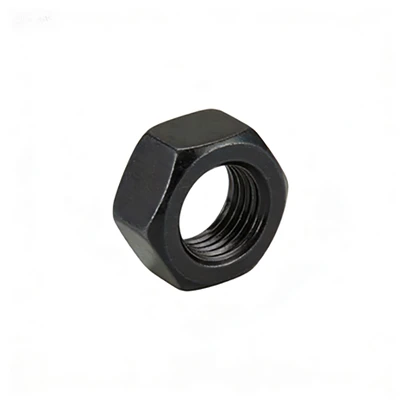
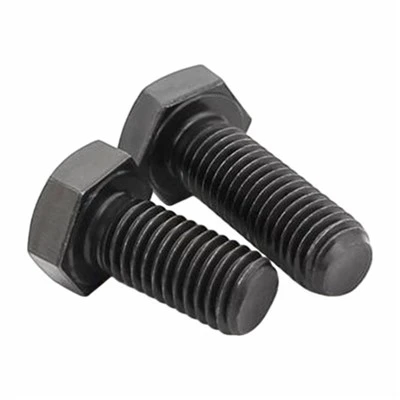
I’ve learned over decades in this business that the best way to avoid mistakes is to measure, not guess, and to reference a fastener chart that’s specific to your region’s standards. For North American inch fasteners, chart resources from the American Society of Mechanical Engineers (ASME) outline exact ID, OD, and thickness for every bolt and washer size. For metric fasteners, the International Organization for Standardization (ISO) has the same standardized specs. If you don’t have a chart handy, a simple trick: the bolt’s head or nut size is a good starting point. A ½-inch bolt has a nut that measures about ¾-inch across, so a washer’s OD should be slightly larger than that to cover the bearing surface.
But here’s the thing: even with the right size, a washer won’t do its job if it’s made for the wrong material. If you’re working outdoors, using a steel washer with a zinc coating or stainless steel will prevent rust, which is crucial for structural jobs. If you’re fastening electrical components, you might need a nylon or fiber washer to insulate between the metal bolt and the part. Size matters, but so does the material, but that’s a conversation for another day. The main point is: size is non-negotiable, and it’s tied directly to your bolt’s specifications.
Let’s circle back to the mistakes I’ve seen over and over. Last year, a local carpenter came to my shop with a pile of mis-sized washers for a deck he was building. He’d grabbed ¾-inch washers, thinking they were close to his ½-inch bolts, and when he tried to slide them on, they were way too big—inner diameter 0.875 inches, compared to his 0.5-inch bolt. The OD was also too large, which would have created a gap between the wood and the house ledger board, leading to water damage. We sorted out the right sizes, and he was able to finish the job that same day. That could have been avoided if he’d just measured his bolt instead of guessing the size of the washer.
Another common mistake: ignoring the bolt’s thread size. A lot of people only look at the nominal bolt size (like ½-inch or M10) and forget the thread pitch. The pitch is the distance between each thread, and while it doesn’t directly affect the washer’s size, it does affect how the nut tightens, which in turn affects the washer’s performance. A washer for a ½-inch 13 UNC bolt (coarse thread) is slightly different from one for a ½-inch 20 UNF bolt (fine thread), but the inner diameter is still close enough that most standard washers will work. Still, for critical jobs, double-checking that the washer fits the threads is a good idea.
So, to sum up the steps you need to take when choosing a washer for your bolt: First, confirm your bolt’s nominal size and fastener standard (inch or metric). Second, measure the bolt’s shank (or check its specs) to get the exact inner diameter you need—aim for a washer that’s 1/64 inch larger for inch, 0.5mm larger for metric, so it slides on easily. Third, match the outer diameter to your material: larger OD for soft materials, standard for hard materials. Fourth, pick the right thickness to fill gaps without making the bolt stick out too far. And fifth, make sure the washer type (plain, lock, heavy-duty) matches your application.
At the end of the day, washers are small parts, but they play a huge role in making a joint strong, safe, and long-lasting. I’ve seen a deck hold up for 20 years because the right washers were used, and I’ve seen a small electrical panel fail because someone grabbed a too-small washer that led to a loose connection. It’s all in the details. If you’re still not sure which size is right for your bolt, don’t guess—reach out to our team for personalized guidance on selecting the perfect washer for your project. We’re here to help with anything from small residential jobs to large commercial installations, so you can skip the hassle and get the right parts the first time.
Washers References
- American Society of Mechanical Engineers. (2020). ASME B18.2.1: Square and Hex Bolts and Screws, Inch Series.
- International Organization for Standardization. (2019). ISO 7090: Plain Washers, Product Grade A, for Use with Metric Bolts and Screws.
- The Home Depot. (2023). Fastener Sizing Guide: Washers, Bolts, and Nuts.
- Machinery’s Handbook. (41st ed.). Industrial Press. (2020). Section 9: Washers and Washers Specifications.
Handan Jihao Fastener Co., Ltd.
We’re known as one of the most professional washers manufacturers and suppliers in China. With abundant experience, we warmly welcome you to wholesale customized washers made in China here from our factory. If you have any enquiry about cooperation, please feel free to email us.
Address: A2, Row 31, Feiyu Screw World, Hebei Pu, Linmengguan Town, Yongnian District, Handan City, Hebei Province
E-mail: wenzhaona0@gmail.com
WebSite: https://www.chinaboltnut.com/
