Hey there! If you’ve ever stared at two bulky, puffy winter coats hanging side by side in a sports shop or scrolled through product pages and thought, “Wait, is this a parka or a ski jacket?” you’re not alone. As someone who’s been in the ski jacket supply game for years, I get this confusion all the time—people mix these two up so often, I’ve had to answer the same questions at trade shows, on customer calls, even at ski lodges while grabbing a post-run hot cocoa. Let’s break this down straight, no fancy jargon, just real talk about what makes each coat tick, and why it actually matters when you’re gearing up for cold weather. Ski Jacket
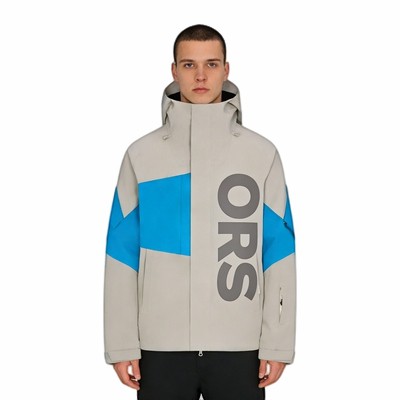
First off, let’s kill the big myth: parkas and ski jackets aren’t interchangeable. They’re built for totally different jobs, even if they both look like they can keep you warm. Let’s start with parkas, because they’re super versatile. Think about the parka your uncle wears to shovel snow in his backyard, or the one your friend pulls out for a winter festival where they’re standing around for hours, not moving much. Parkas are all-purpose winter coats—they’re made for general cold weather, not a specific high-activity thing like skiing. That’s the key difference right there: intent.
Parkas are usually way longer, right? Like, they hit mid-thigh or even knee-length. That extra fabric is for covering your lower back and hips when you’re not active, keeping wind from seeping up if you’re standing still. A lot of them have big, fluffy hoods lined with fur or faux fur—those are for trapping heat around your face when the wind’s howling, not for when you’re wearing a helmet. Oh, right! Parka hoods aren’t built to fit over ski or snowboard helmets. The fur trim might look cozy, but if you’re zipping that hood over a helmet, it’ll bunch up, block your view, and be more annoying than useful.
When it comes to insulation, parkas go for the warmest, bulkiest stuff they can find. Down is super common—like 800-fill or higher down, which is super light but crazy warm. Some even mix down with synthetic insulation if they’re cheaper, but either way, the goal is maximum warmth for low activity. They don’t worry too much about breathability, because if you’re just walking or standing, you don’t work up a sweat. That’s fine for a backyard shoveling sesh, but if you’re skiing, you’ll be sweating through a parka in no time and then get cold when you stop.
Now, let’s talk ski jackets—my bread and butter, since that’s what I supply. Ski jackets are built for high-output, dynamic activity. When you’re skiing or riding, you’re moving nonstop: bending, jumping, lifting your arms to pole, leaning forward down the mountain. So ski jackets aren’t just about keeping you warm—they’re about keeping you comfortable while you’re moving, and dry when you’re caught in a powdery snowstorm.
First, fit. Ski jackets are way more tailored than parkas. They’re not baggy, but they’re not tight either—they have enough room to layer under them. Wait, important: when you ski, you wear base layers, mid layers, maybe a thin fleece or a neck gaiter under your jacket. A ski jacket has extra room in the arms and torso so you don’t feel constricted when you’re making turns. And the length? They hit around the hip or upper thigh, not knee-length. That’s a deliberate choice—knee-length would get in the way when you’re leaning forward on skis, and it would bunch up when you sit in a lift chair.
The hood on a ski jacket is a game-changer. It’s designed to fit over a helmet—no bunching, no blocking your goggles. Most ski hoods are adjustable, so you can tighten them around your helmet so wind doesn’t get in, but you can still move your head. No fluffy fur trim here, either—usually a thin, water-resistant trim that keeps snow off your face without adding bulk.
Insulation for ski jackets is a balance, not maximum warmth. Since you’re working hard, you’ll generate a lot of heat, so ski jackets use insulation that’s warm but breathable. Synthetic insulation is super popular here—stuff like PrimaLoft—because it stays warm even when it gets wet, which is a big deal if you fall in pow or step in slushy snow. Down works too, but only if it’s treated to be water-resistant; regular down gets clumpy and stops keeping you warm if it’s damp, which is a no-go on the mountain.
Breathability is where ski jackets really shine. This is non-negotiable for ski gear. The jacket has a waterproof and windproof outer shell, like Gore-Tex or a similar high-quality membrane, but it also has vents—under the arms, along the sides, even near the waist. When you’re working up a sweat, you can open those vents to let moisture escape, so you don’t get clammy and cold mid-run. Parkas almost never have vents like that, because they’re built for low activity where you don’t need to dump heat.
Water resistance is another big one. Ski jackets are built for constant snow and moisture. The outer shell is waterproof, rated to keep out a certain amount of water pressure (like 10,000mm or higher) so even heavy snow or a spill in deep pow won’t get you wet. Parkas are usually water-resistant, not fully waterproof—they’ll handle light drizzle or a few snowflakes, but if you get caught in a blizzard, the fabric will soak through.
Wait, let’s talk about small details that people don’t notice but make all the difference. Ski jackets have powder skirts—oh, that’s a key feature! A powder skirt is a stretchy, adjustable band at the bottom of the jacket that clips to the top of your ski pants. When you fall or ski through deep powder, it keeps snow from getting up into your jacket and down your pants. Parkas don’t have these—they’re meant for walking around, not tumbling in snow.
Also, pockets. Ski jackets have pockets that are positioned where you can reach them easily while wearing gloves. Big hand pockets, chest pockets for your lift ticket or phone, maybe a goggle pocket to keep your goggles from scratching. A lot of them even have a media port so you can run headphone wires through without tangling. Parka pockets are usually big and loose, made for hands in cold air, not for small stuff you need to grab mid-ski.
Let’s test this with real scenarios to make it concrete. If you’re heading out for a 3-hour hike in the mountains, stopping to picnic in the snow, and just hanging around a ski resort’s lodge afterward—go for a parka. It’s warm, cozy, and you don’t need all the high-tech ski stuff. But if you’re hitting the slopes for a day of skiing, chasing powder stashes, or even just a casual ride on a groomer? A ski jacket is the only way to go. You’ll be way more comfortable, not sweating through your coat, and you won’t end up with snow down your back when you take a fall.
I’ve seen so many people make the mistake of buying a parka for skiing, and let me tell you, it doesn’t end well. They’re sweating through the parka after an hour, can’t zip their hood over their helmet, and end up sitting in the lift freezing once they stop moving. Or they get a ton of snow in their jacket because there’s no powder skirt. That’s why we make ski jackets designed specifically for that activity—we test every single one on the mountain, with actual skiers, to make sure it works when you’re moving fast, dealing with wet snow, and needing to adjust on the fly.
Now, here’s the thing I always tell customers: it’s not that one is better than the other. It’s that they’re for different things. Parkas are great for everyday winter use—commuting to work, shoveling snow, going to a winter festival. Ski jackets are built for when winter is your sport, when you’re spending hours on the mountain, moving, working, playing.
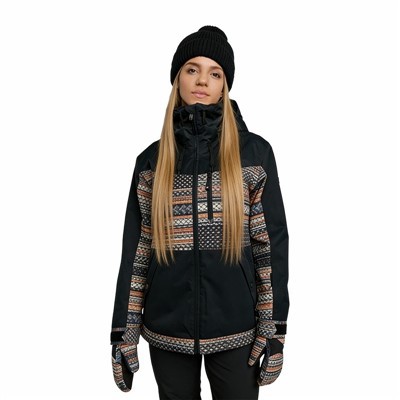
If you’re in the market for gear for the slopes, or just want to upgrade your ski jacket for next season, reach out. We’ve got options for every level of skier—from beginner to pro, different insulation weights, different fits, all built with that same mountain-tested quality. We can help you figure out exactly what you need, no sales hype, just honest advice. Whether you’re looking for something lightweight for spring skiing or a warm, heavy-duty jacket for deep winter, we’ve got you covered.
Fishing Jacket References:
- Outdoor Industry Association. (2022). Winter Sport Clothing Material Performance Guide.
- Gore-Tex Brand. (2023). Technical Features of Ski Outerwear.
- International Organization for Standardization. (2019). Standard for Cold-Weather Protective Clothing.
- PrimaLoft. (2021). Insulation Performance for Active Cold-Weather Use.
Onroad Sportswear Co., Ltd.
We’re well-known as one of the leading ski jacket manufacturers in China, featured by quality products and good service. Please feel free to buy customized ski jacket made in China here from our factory. Also, samples are available.
Address: No.501, A Block, Longtian Industry Area, Shilong, Dongguan, Guangdong, PRC. China
E-mail: Tracy.yi@onroad-sports.com
WebSite: https://www.orsoutdoor.com/
