Let’s cut to the chase—if you work with motors, transformers, or any electrical gear that uses windings (which, let’s be real, most industrial or commercial electrical setups do), fire safety isn’t just a box to tick—it’s something you need to actually think about. As a supplier of windings and spare parts, I’ve seen firsthand how easy it is for folks to overlook small red flags that can spiral into big, dangerous fires. Let’s break down the real fire safety concerns tied to windings, why they happen, and what you can do to avoid them. Windings & Spare Parts
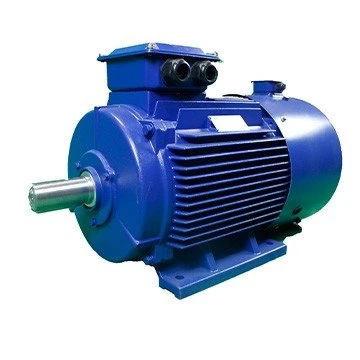
First, let’s get on the same page: windings are those coils of wire (usually copper, sometimes aluminum) wrapped around a core that carries electricity. Every time current flows through them, they generate heat—normal heat, right? But when something goes wrong, that heat can spike fast. That’s where the fire risk comes in.
One of the biggest culprits? Insulation degradation. The insulation on winding wire is what keeps the coils from shorting out against each other or the core. Over time, that insulation breaks down—because of heat (from overloaded current, poor ventilation), moisture, chemicals, or even just old age. I’ve had customers reach out last minute saying their transformer caught fire, and when we checked, the insulation on the windings was brittle, cracked, and exposed. Exposed wire = instant short circuit, which blows massive amounts of heat—enough to ignite nearby materials like varnish (used to seal windings), plastic housings, or even dust buildup. Wait, dust! That’s another thing people sleep on. Industrial environments—factories, warehouses, mills—build up dust (metal, wood, lint) on winding coils. Dust is a conductor, so it can cause small arcs between windings. Plus, fine dust is combustible; if a spark hits it, you’ve got a small fire that can spread fast. I once visited a plant where a motor windings fire started because of cotton dust buildup—they didn’t clean the coils for 10 years, and that was all it took.
Next up: overloading. Windings are designed to handle a specific amount of current. If you run more through them than they’re rated for, the heat generated jumps exponentially. Let’s say you have a motor winding rated for 10 amps, but you’re pushing 15 amps because of a faulty drive or misapplication. The insulation can’t handle that extra heat, so it breaks down, leading to shorts, then fire. I see this a lot with small businesses that try to “make do” with undersized windings instead of getting the right spare part. They cut costs upfront, but end up replacing the whole motor (or worse, dealing with a fire) way sooner.
Poor installation or maintenance is another one. When windings aren’t installed correctly—like if the wiring connections are loose, or the coils are misaligned—you get resistance in those connections. Resistance = more heat, plain and simple. Loose terminals on winding ends can cause arcing too. And if you skip regular checks? You won’t catch things like insulation wear or dust buildup until it’s too late. I had a customer who thought their motor was “fine” because it was running, but a quick inspection from our techs found that a winding connection was loose—if they’d kept running it, that arcing would’ve ignited the plastic housing within a week.
Wait, let’s talk about less obvious stuff too: harmonic distortion. A lot of industrial power systems have harmonics—extra current frequencies from things like variable frequency drives (VFDs), which are super common now. Harmonics make windings run hotter than they should, because they cause more eddy currents in the core, adding extra heat. Over time, that heat breaks down insulation, just like overloading. I’ve seen transformers with harmonic-related winding fires—these aren’t super common, but they’re preventable if you check your power quality and make sure your windings are rated for harmonic loads.
Now, let’s get practical. As a winding supplier, we don’t just sell parts—we help our customers fix these issues. So what can you actually do to mitigate fire risks?
First, regular inspections. Not just a once-a-year glance—look at the insulation, check for discoloration (a sign of overheating), clean dust off coils (use compressed air, not water, unless the winding is specifically sealed for moisture), and check terminal tightness. We can even help you with thermal imaging scans if you don’t have a tech on staff—our team’s got the gear, and we’ve trained folks to spot winding hotspots.
Second, get the right winding for the job. Don’t try to reuse a winding that’s rated for a lower current when you need a higher one, or ignore harmonics. We make custom windings for specific applications—if you tell us about your operating environment (does it have a lot of dust? Harmonics? High humidity?), we can build windings with thicker insulation, heat-resistant materials, or coated to repel dust. For example, we have windings with Nomex insulation that can handle way more heat than standard—perfect for industrial mills or plants with heavy machinery.
Third, monitor heat. There are cheap thermal sensors you can install on winding coils that alert you if the temp gets too high. Way better than waiting for a smell of burning insulation or smoke. I’ve had customers install these sensors and catch overheating before it turned into a fire—saved them thousands in downtime, and kept their workers safe.
Fourth, replace worn parts proactively. If your winding is 15+ years old, don’t wait for it to fail—replace it before insulation degrades too much. We have a lot of repeat customers who set up a scheduled replacement with us, so they don’t get stuck with emergency orders (which are more expensive, by the way) when a winding catches fire.
Wait, let’s address a common myth: “My old winding worked fine for years, why replace it?” Because insulation doesn’t last forever. Exposure to heat, moisture, chemicals—even UV light if it’s outdoors—breaks it down gradually. A winding that’s 20 years old is at way higher fire risk than a new one, even if it hasn’t failed yet. I’ve seen old transformers that looked good on the outside, but inside the windings were so brittle that a small power surge cracked the insulation and caused a fire.
Another thing: when you do need to replace a winding, make sure it’s from a reputable supplier. A lot of cheap, no-name windings use subpar insulation or wrong wire gauge, which means they’re way more likely to overheat and catch fire. We test every winding we ship—we check the insulation resistance, the wire gauge, the fit—to make sure it meets industry standards. I can’t tell you how many customers have come to us after a cheap winding burned out and took their motor with them—they ended up paying way more than if they’d just bought a quality winding in the first place.
Let me share a quick story to drive this home. A couple months back, a small manufacturing plant hit us up panicking because their conveyor motor caught fire. They thought it was a faulty electrical box, but when we took the old winding out, we saw the insulation was completely melted. Turns out, they’d bought a replacement winding online for half the price of ours, and it had thin insulation that couldn’t handle the motor’s regular 12-hour runs. We sold them a custom high-temperature winding, and since then, they’ve added thermal sensors to all their motors. They told us later that their plant manager has stopped stressing about motor fires, and that’s worth every penny they spent on a quality part.
So, to wrap this up: fire safety with windings isn’t rocket science, but it does require attention. The risks are real—insulation degradation, overloading, dust, poor installation, harmonics—but they’re mostly preventable if you stay on top of maintenance, get the right parts, and don’t cut corners.
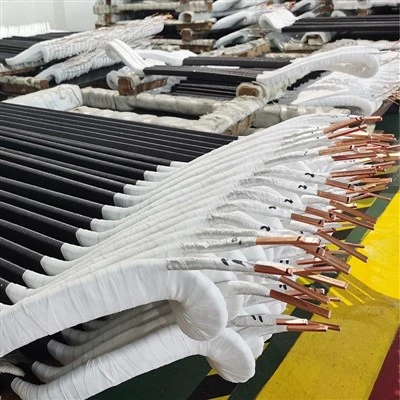
If you’re not sure about your current windings, if you need a replacement, or if you just want to chat about how to lower your fire risk, hit us up. We’re here to help—no sales pitch, just real advice from folks who’ve been in the winding game for a while. Don’t wait for a fire to make a change.
AC Motor References
- National Fire Protection Association (NFPA). “Electrical Equipment Fires in Commercial and Industrial Settings.” NFPA 70E: Standard for Electrical Safety in the Workplace, 2023.
- IEEE. “Insulation Degradation in Electrical Windings: Causes and Mitigation.” IEEE Transactions on Industry Applications, vol. 56, no. 3, 2020, pp. 2891–2898.
- Occupational Safety and Health Administration (OSHA). “Electrical Fire Prevention and Protection Guidelines.” OSHA 3075, 2022.
Xian Putai Electric Motor Equipment Co., Ltd.
Xian Putai Electric Motor Equipment Co., Ltd. is one of the most professional windings & spare parts manufacturers and suppliers in China, also supports customized service with low price. Welcome to buy advanced windings & spare parts in stock here from our factory. If you have any enquiry about quotation, please feel free to email us.
Address: Haibo Guangchang Fengcheng Nine Road Economical & Technological Development District Xi’an City Shaanxi Province – China
E-mail: sales@putaimotor.com
WebSite: https://www.putaimotor.com/
