What type of vacuum cleaner is suitable for hardwood floors? If you’ve ever dragged a deep-carpet vacuum over your hardwood and watched in panic as it scraped scuff marks into your brand-new floor, you know this isn’t a trivial question. As a vacuum cleaner supplier who’s worked with customers across residential and commercial spaces, I’ve seen way too many people grab whatever vacuum they have lying around—and end up with damage that costs more to fix than a decent vacuum would. Hardwood floors are different from carpet, tile, or laminate: they’re soft, porous, and prone to scratches from hard brushes, scuffs from rigid wheels, and even static that can leave dust instead of picking it up. So let’s cut through the noise and break down what actually works for hardwood, and what to skip. Vacuum Cleaner

First, let’s talk about the biggest mistake most people make: using a standard upright vacuum designed for thick carpet. Those have big, stiff roller brushes that work great for pulling pet hair out of carpet fibers, but on hardwood, that brush will scuff the finish if it’s too hard, or even dig into the wood itself if the settings are too high. I had a customer last year who bought a $200 upright from a big-box store, ran it without checking the brush setting, and came back a week later with 12 tiny scratches across his oak floors. He thought “more power” meant better cleaning, but hardwood doesn’t need suction that strong—it needs precision. That’s why the first thing you should look for is a vacuum with an adjustable power setting. Most good vacs for hardwood let you switch between “hard floor” mode and “carpet” mode; flip it to hard floor, and the suction drops just enough to avoid pulling on loose floorboards or scratching the surface, while still lifting fine dust and crumbs.
Next, the brush roll is non-negotiable. A lot of vacs come with a hard plastic brush roll for carpet, but on hardwood, you need either a soft bristle brush roll or no brush roll at all. Wait, no brush roll? That’s right—some vacuums for hardwood are designed as “hard floor-only” models that use suction alone, or a narrow air-driven nozzle to pull debris without the brush. I prefer the soft bristle option for most people, because it’s gentle but effective: the bristles are stiff enough to sweep crumbs out of the tiny gaps between floorboards, but soft enough that they won’t scratch. If you have a lot of pet hair or small debris (like cereal crumbs from breakfast), a soft bristle roll will get it up without dragging. Avoid vacs with metal or hard nylon bristles—those will leave scratch marks every time you pass over a dark hardwood floor.
Then there’s the canister vs. upright debate. I get asked this all the time: which is better for hardwood? From what I’ve seen, canister vacuums are usually the way to go for hardwood. Here’s why: canisters are lightweight, have smaller, narrower heads that are easier to maneuver around furniture, baseboards, and tight corners—areas where dust loves to hide on hardwood. Uprights, even the ones with good brush settings, are bulkier, and their main body can bump into baseboards, leaving scuffs over time. That said, some cordless stick vacuums work great too, especially if you have a small apartment. I recommend cordless sticks with detachable heads: you can use the soft bristle head for the main hardwood floors, and switch to a smaller crevice tool for gaps and stairs. The only downside of cordless sticks is battery life—if you have a large home (like 2,000+ square feet), a corded canister will give you unlimited run time without needing to recharge halfway through.
Wait, let’s not forget about filtration. A lot of people overlook this, but hardwood floors are sensitive to static. If your vacuum has a cheap filter, it can build up static electricity as it runs, which will push dust back onto your floor instead of sucking it up. Look for vacuums with HEPA or sealed filtration—those trap 99.97% of tiny particles (like pollen, dust mites, and pet dander) and eliminate static, so you’re not just moving dust around your house. I’ve had customers with allergies swear by these, because their hardwood floors stop getting that layer of fine dust every 2 days. Also, make sure the vacuum’s wheel design is gentle: hard plastic wheels can leave scuffs, so look for rubber or soft polyurethane wheels that glide smoothly without marking the floor.
Now, what should you definitely avoid? First, any vacuum with a beater bar that you can’t turn off. Beater bars (those stiff, spinning brushes) are made for beating dirt out of carpet, and even if you think you’re being careful, they’ll scratch hardwood over time. I once tested a vacuum with a “universal” beater bar on a small section of maple floor, and after 3 passes, I had faint circular scratches that you can see in direct light. Second, heavy vacuums. If you’re dragging a 15-pound upright back and forth across your floors, you’re not just straining your arm—you’re also scraping the finish. Stick with vacuums under 10 pounds for hardwood, especially if you do a lot of moving around furniture. Third, cheap vacuums (under $50, usually). I know it’s tempting, but most of those have low suction, no adjustable settings, and plastic parts that scratch. The money you save upfront will be spent on fixing scuffed or scratched floors within a few months.
Let’s also talk about specific situations. If you have engineered hardwood (which has a thin wood layer over a core), it’s even more sensitive to scratches than solid hardwood, so stick to a vacuum with no beater bar and soft bristles. If you have large area rugs mixed with hardwood, a vacuum that lets you switch between hard floor and carpet mode is perfect—you don’t need two separate vacuums. For commercial spaces, like a small office with hardwood floors, a corded canister vacuum is best because it’s durable and has long power cords, so you don’t have to unplug every time you walk across a room. I’ve supplied several small cafes and retail stores with these, and they’ve held up way better than cheap uprights.
Wait, let’s address a common myth: some people think a robotic vacuum is bad for hardwood, but that’s not true—if you pick the right one. Robots with soft bristle rolls, low-profile suction, and rubber wheels work great for daily touch-ups. The key is to avoid models with hard brushes or sharp edges that can get stuck on baseboards. I’ve had customers use robotic vacuums on their hardwood floors for 2 years without any scratches, just make sure to empty the bin every week so it doesn’t lose suction.
As a vacuum supplier, I’ve seen firsthand how choosing the wrong vacuum can ruin floors, and how the right one makes cleaning so much easier. A good hardwood vacuum shouldn’t just pick up debris—it should protect your floors. That means adjustable power, soft bristle rolls (or no brush roll), gentle wheels, and good filtration. You don’t need to spend a fortune, but don’t go for the cheapest option either. If you’re not sure which model is right for your space, don’t hesitate to reach out. We work with residential homeowners, apartment complexes, small businesses, and more, and we can help you pick a vacuum that fits your floor type, space size, and budget. We also offer bulk purchasing options for anyone looking to outfit a whole building or multiple rooms. We don’t just sell vacuums—we make sure you get one that works for your floors, not against them.
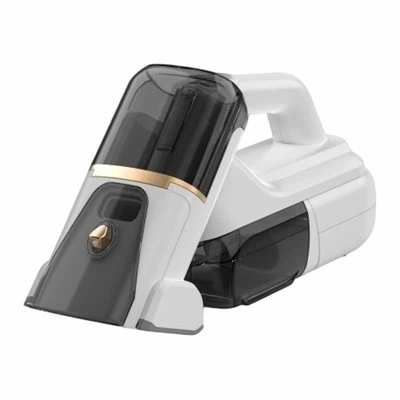
So if you’re tired of seeing dust on your hardwood, or worried about scratches from your current vacuum, let’s chat. We can walk through different models, answer any questions you have, and help you find the perfect fit. No pressure, just straight talk about what works for hardwood floors. When you’re ready, get in touch to discuss your needs, and we’ll make it happen.
Carpet and Upholstery Cleaner Machine References
- Hardwood Floor Manufacturers Association. (2022). Care and Maintenance of Hardwood Floors.
- Institute of Inspection, Cleaning and Restoration Certification. (2021). Vacuum Selection for Hard Surface Flooring.
- International Vacuum Cleaner Manufacturers Association. (2023). Best Practices for Vacuuming Hardwood Floors.
- Wood Flooring Association. (2020). Scratch Prevention in Residential Hardwood.
Ningbo MLE Electrical Appliance Co., Ltd.
Address: 921 Room, Jinsejiangnan Building, Zhonghe Street, Yinzhou District, Ningbo, Zhejiang, China.
E-mail: Eileen@nbmle.cn
WebSite: https://www.cleaningappliance.com/
